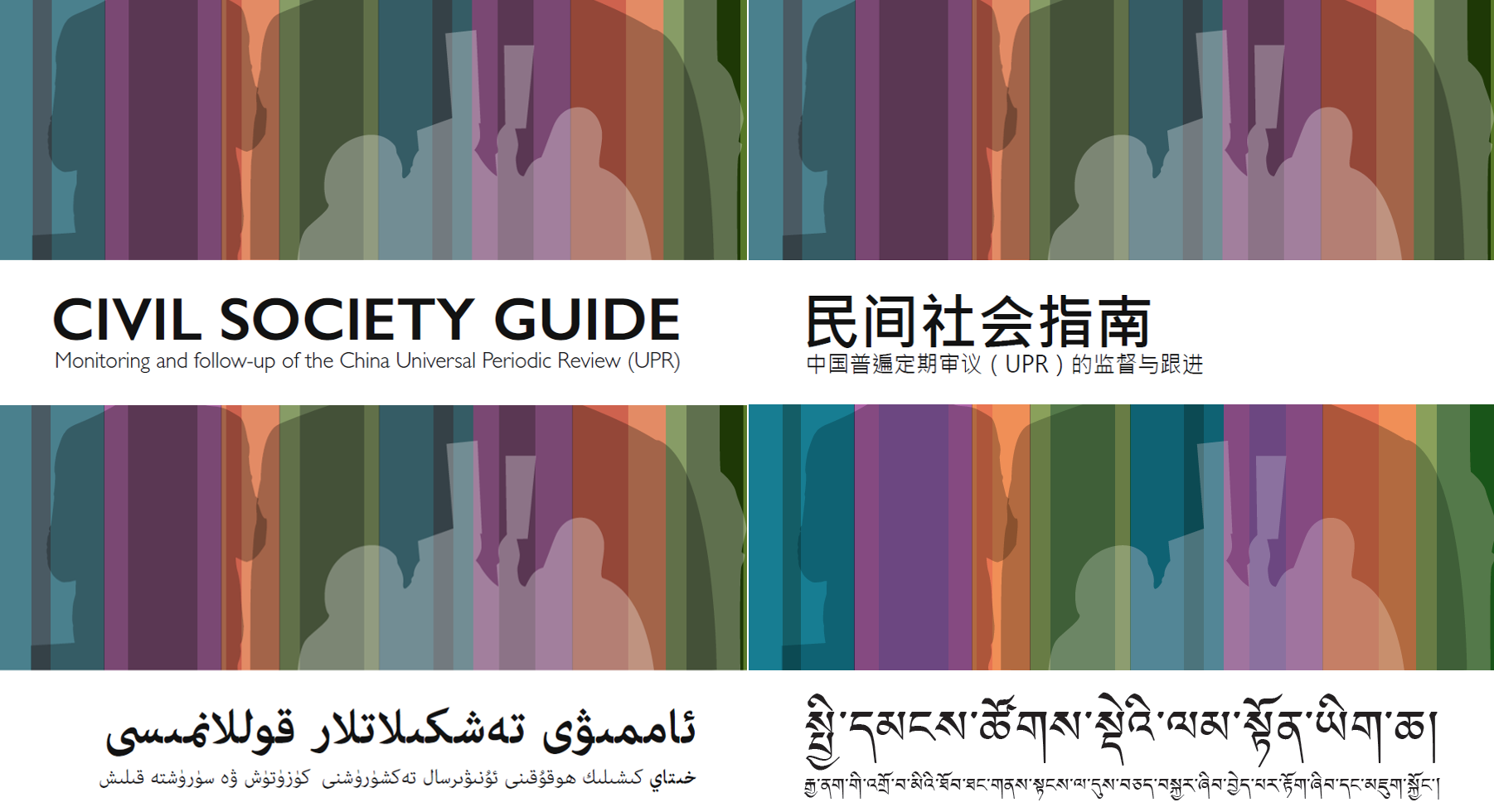
November 2020 marks two years since the Chinese government underwent its third cycle of the Universal Periodic Review. As part of this process, the Chinese government accepted 284 out of 346 recommendations, from 150 countries. However, it has yet to fulfill its stated commitments to take -or continue -action to address important human rights issues, including human rights defenders and independent civil society, the rights of minorities, fundamental freedoms, and non-discrimination.
Building on the valuable work of other rights groups, this plain-language Guide is an important tool to equip civil society and ensure effective and comprehensive monitoring and reporting on the implementation of recommendations. It provides an overview of China’s 2018 review process, identifies priority areas for follow-up, and shares tactics and strategies for collecting information and planning advocacy.
‘Our goal is to support growth in the quantity, quality and impact of civil society engagement on China’s UPR – from ongoing monitoring, to mid-term reporting, to formal submissions – over the next three years’, said Sarah Brooks, ISHR’s Asia Advocate.
‘This is the first UPR guide available in Uyghur language, which is crucial for the work of Uyghur groups’, said Zumretay Arkin, Advocacy Manager at the World Uyghur Congress, ‘it makes UN mechanisms and advocacy accessible to the Uyghur community.’
On 3 November, ISHR held a live Q&A session to present this Guide in more detail, and address questions on UPR advocacy and its central role in promoting significant human rights change in China. Questions raised during the session highlighted the fundamental role played by civil society in ensuring a transparent and informed UPR process, and pointed out the ways in which it can reinforce national advocacy strategies.
You can watch the full video presentation and Q&A session below:
ISHR wishes to express its gratitude to all individual partners and organisations that have supported this project.
For more information on the Guide and ideas for how to use it, please contact Sarah M. Brooks (at [email protected] or on Twitter at @sarahmcneer); or Raphaël Viana David (at [email protected] or on Twitter at @vdraphael).
The Human Rights Council renewed the mandates of its Fact-Finding Mission on Venezuela and of the Office of the United Nations High Commissioner for Human Rights to monitor human rights in the country, at a time when global scrutiny is more needed than ever to ensure reforms respect and protect human rights.
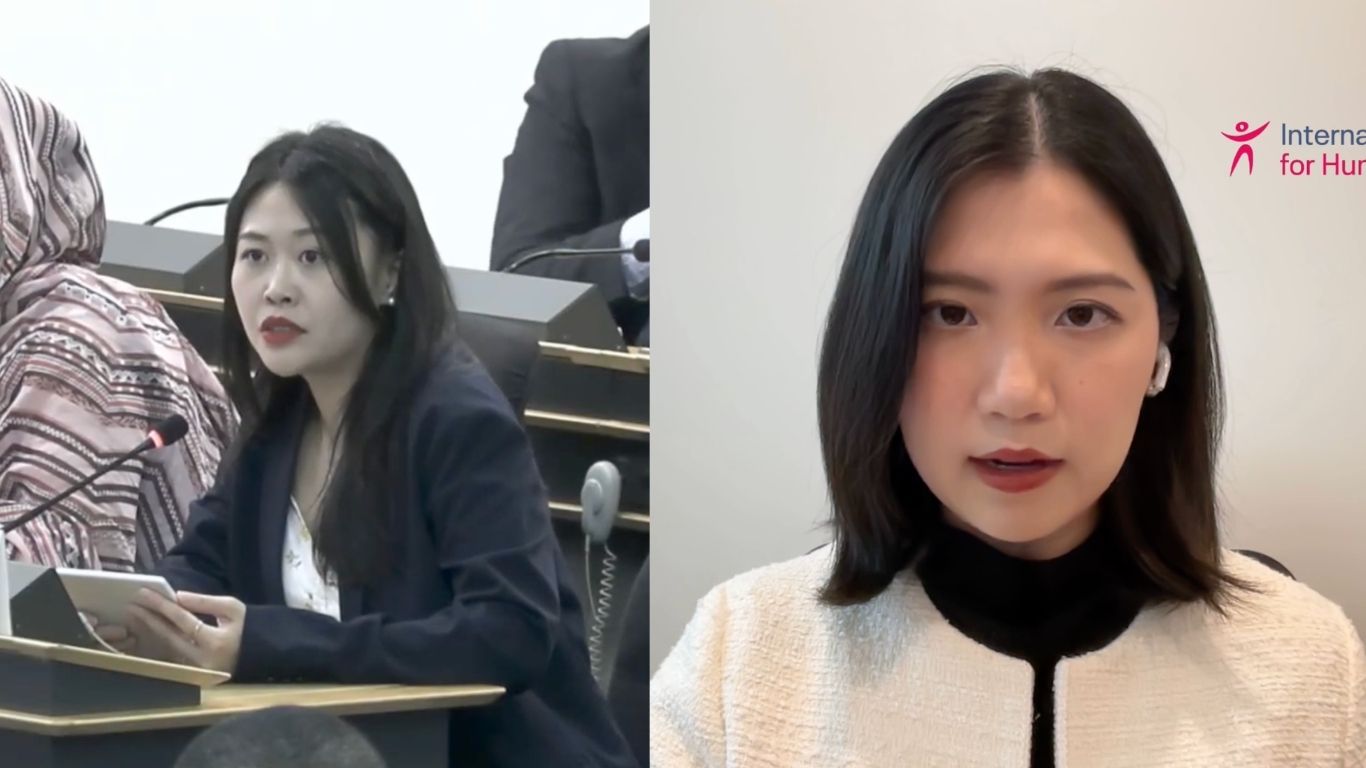
At the Human Rights Council’s 63rd session (HRC63), Hong Kong human rights defenders Carmen Lau and Anna Kwok brought their testimony of transnational repression before the Council, as States renewed scrutiny of China’s human rights record.
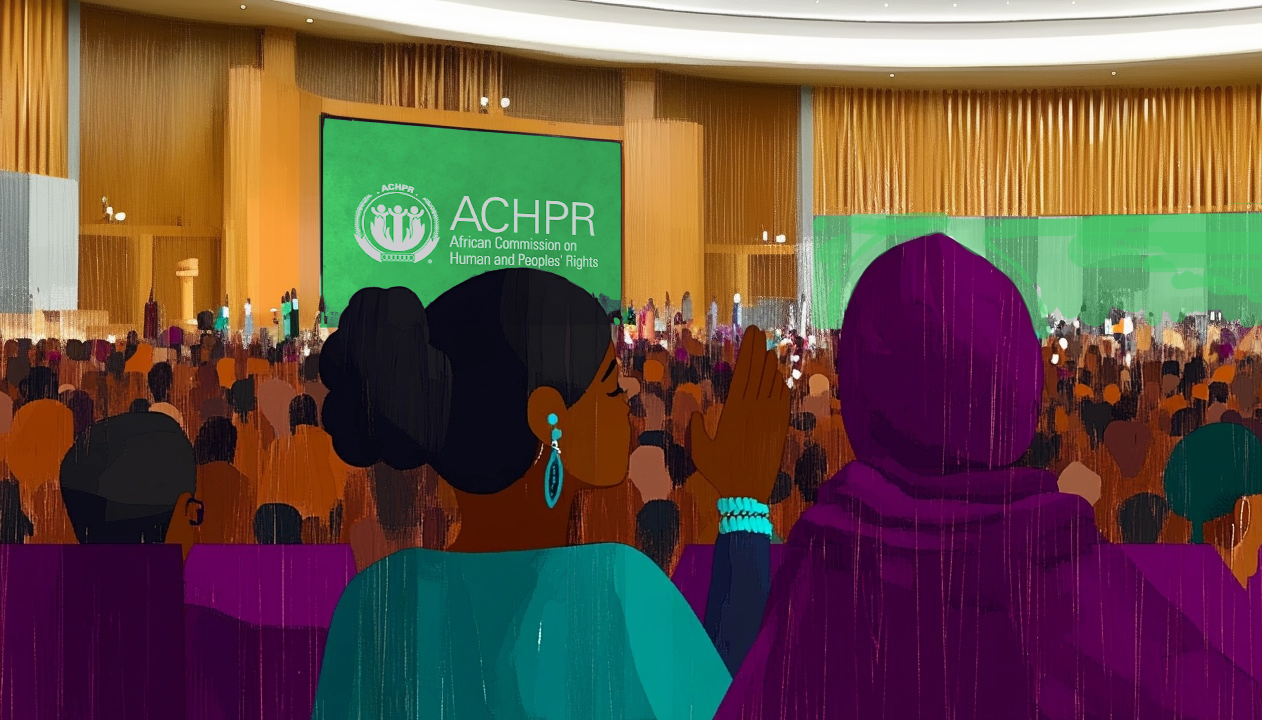
The public session of the 89th session of the African Commission on Human and Peoples' Rights (ACHPR) will be held in Dakar, Senegal, from 12 to 21 October. The public session will be preceded by a training session organised jointly by ISHR, Front Line Defenders and Defend Defenders on 6, 7 and 11 October, and the NGO Forum, organised by ACDHRS from 8 to 10 October.