
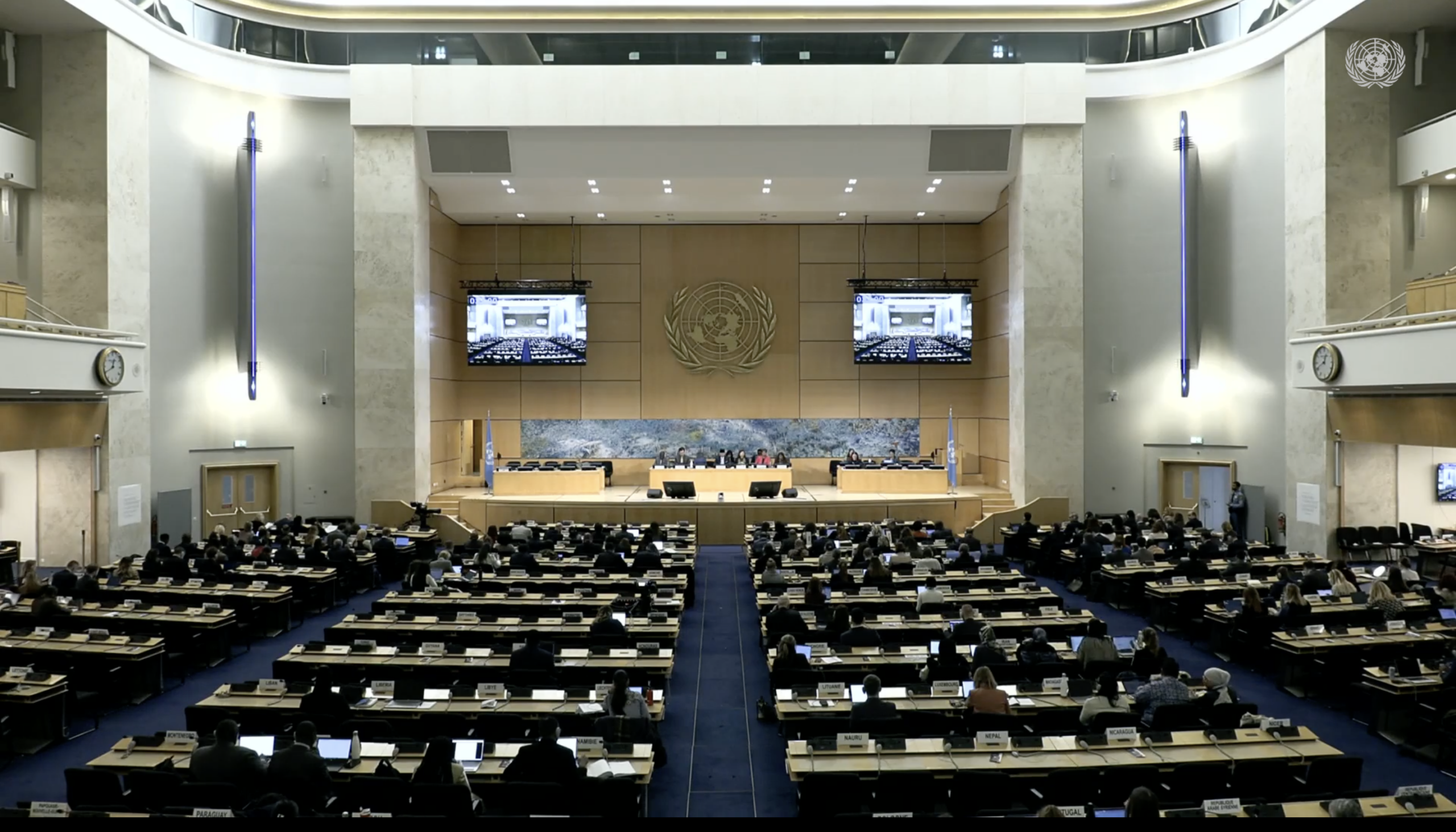
HRC62: Civil society presents key takeaways from the session
At the 62nd Human Rights Council session, civil society organisations shared reflections on key outcomes and highlighted gaps in addressing crucial issues and situations.
Photo: Commons Wikipedia, Jonathan McIntosh
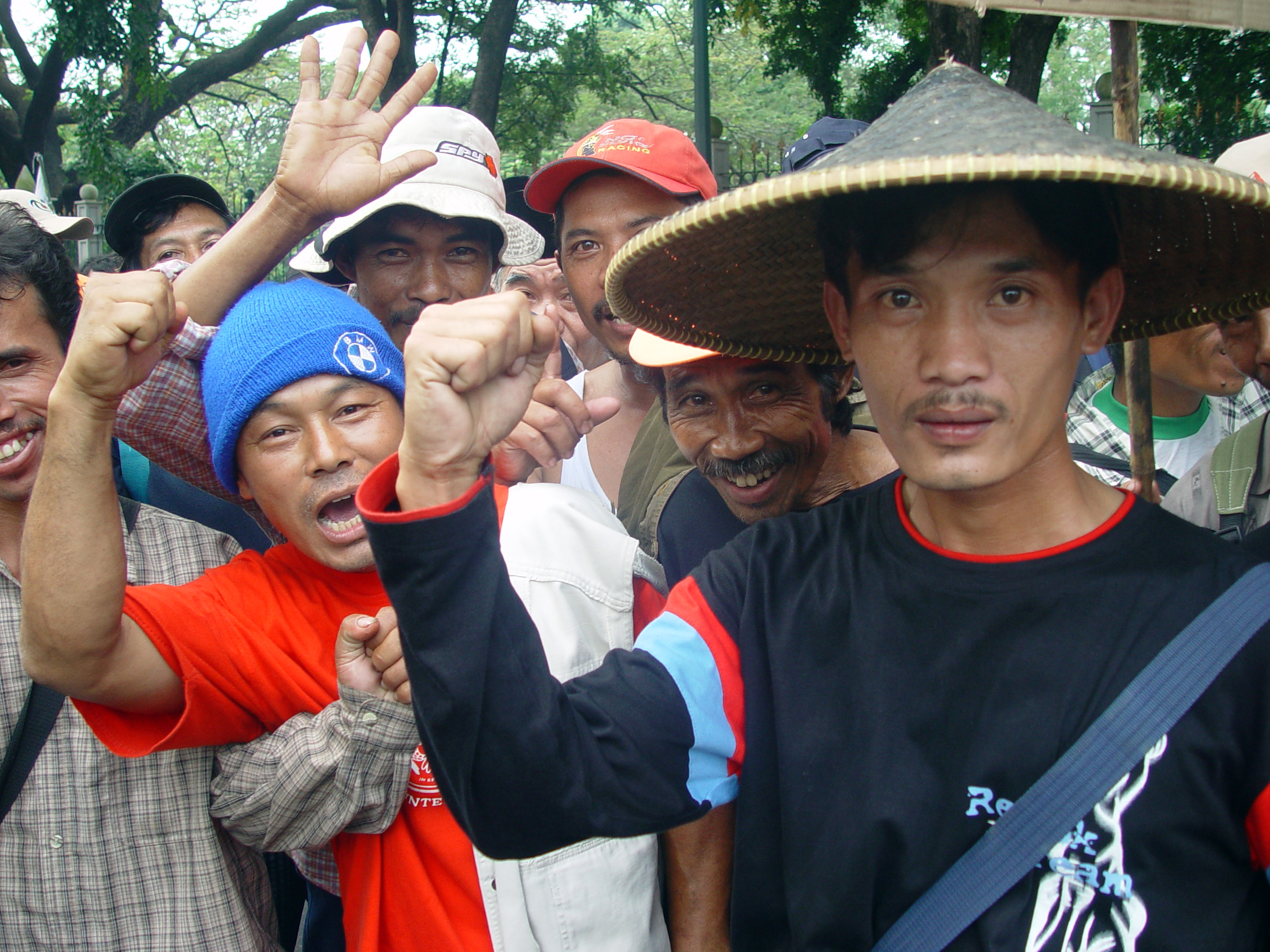
The world faces ‘a truly global crisis’ in the numbers of killings of environmental human rights defenders, says the Special Rapporteur on Human Rights Defenders in his new report to the UN General Assembly
Highlighting the appalling risks faced by environmental defenders in many parts of the globe, he warns that the vision espoused in key international agreements such as 2030 Agenda for Sustainable Development and the Paris Agreement on climate change are ‘doomed to fail’ if frontline defenders are not protected.
The ‘shocking rate’ of killings is ‘only the tip of the iceberg’ of a disturbing trend of ‘increasing violence, intimidation, harassment and demonization’ of defenders, notes Mr Forst. He cites Global Witness findings showing an unprecedented 185 murders of defenders across 16 countries in 2015: a 59% increase from 2014.
‘This report is a wake up a call to the world. The Special Rapporteur speaks to the protection of frontline defenders as critical to the future of the planet. This report is insistent and angry. It outlines a comprehensive set of recommendations for the empowerment and protection of defenders that must be acted on urgently,’ said ISHR’s Eleanor Openshaw.
Several causes of the threats faced by defenders are highlighted, with impunity being a critical factor enabling attacks against them. As an example, the failure of States and companies to consult with or obtain the consent of communities affected by planned business operations is a violation in and of itself, as well as a factor contributing to the stigmatisation and attack against those who raise alarm.
‘Risk for defenders arises from an overall failure to see them as central for sustainable development and good business. It ranges from a failure to incorporate the protection of those on the frontline in trade deals or business agreements, to the failure of instituting effective protection mechanisms for environmental defenders,’ said ISHR’s Madeleine Sinclair.
Mr Forst says that a range of actors stand to gain from hindering the work of environmental actors. Those most threatened can include women defenders who face attack or intimidation due to the nature of their human rights work and to their gender. The Special Rapporteur is clear that a context of ‘patriarchy, sexism, racism, xenophobia and chauvinism’ informs and fuels many violations against environmental defenders particularly women.
‘The report shows why systemic and structural reform is vital to transform the context in which defenders operate, as well as the establishment of effective mechanisms and measures to protect them,’ said Ms Openshaw.
UN Rapporteur @ForstMichel responds to deadliest year for #environmentdefenders with report calling for action https://t.co/wSSsw7Oo6u [pdf]
— Global Witness (@Global_Witness) September 15, 2016
The Special Rapporteur provides a wide-ranging series of recommendations that come at the question of ensuring promotion and protection of defenders from different angles. These include normative advances, including the definition of an international treaty to prevent and address human rights violations by transnational and national businesses. They include ensuring trade agreements place the respect of defenders at their heart; the definition of national action plans on business and human rights, and the development of a range of national level protection measures.
‘We hope States respond to the urgency of the Special Rapporteur’s message and that people around the world urge States to do so. As the Special Rapporteur rightly notes that ‘environmental defenders are at the heart of our future and the future of our planet,’ said Ms Sinclair.
At the 62nd Human Rights Council session, civil society organisations shared reflections on key outcomes and highlighted gaps in addressing crucial issues and situations.
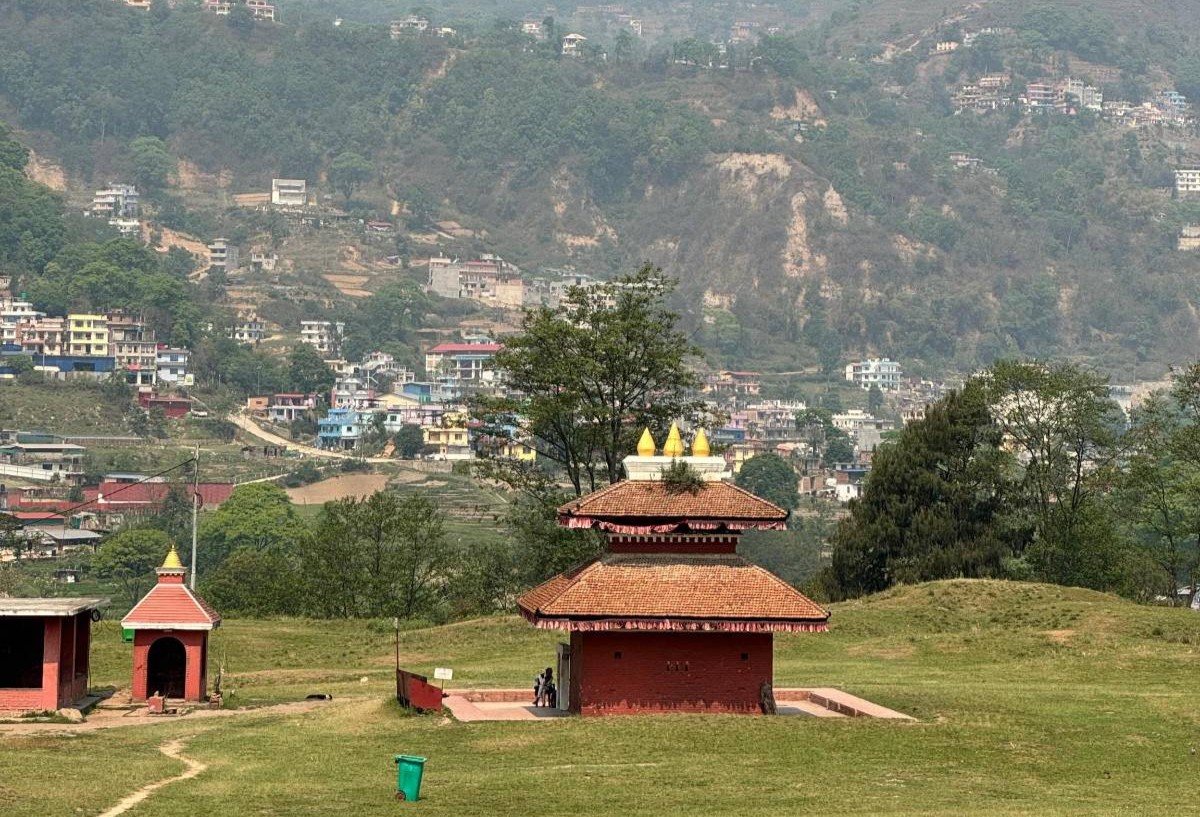
Despite Nepal’s international commitments, human rights violations against Indigenous Peoples continue. The new government has an opportunity to align its laws with international standards, ensure consent for projects affecting Indigenous communities, and protect the right to peaceful protest and the right to defend rights.
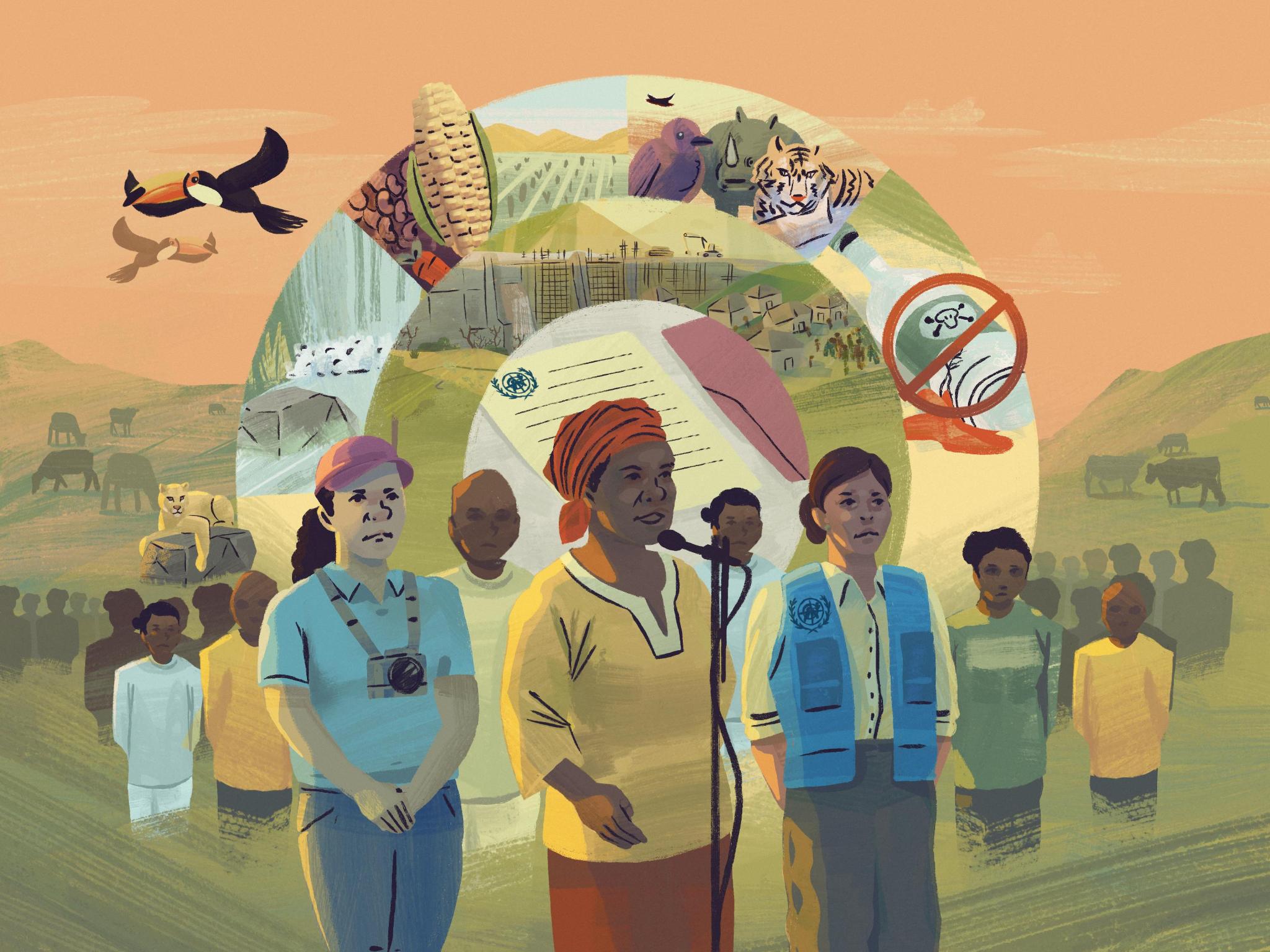
ISHR introduces a new on-line course on advocacy for environmental human rights defenders, a practical, self-paced resource for activists, community leaders, and allies to defend the right to a clean, healthy and sustainable environment using UN and regional mechanisms.