

At home and abroad: #EndReprisals!
Human rights defenders who engage with the United Nations are increasingly facing reprisals through transnational repression, as States seek to silence criticism beyond their borders.
Poster from the Protest in New York on Black Lives Matter. © Photo: XYZ / Shutterstock
Everyone has the right to unhindered access to, and communication with, international bodies on matters of human rights and fundamental freedoms — free from intimidation and reprisals.
The right to safe and unhindered access to international and regional justice mechanisms, and to be free from any forms of intimidation or reprisals for seeking justice, is both a fundamental human right and essential to the relevance and effectiveness of these mechanisms.
The participation of human rights defenders in the work of international and regional mechanisms makes for better outcomes. Defenders bring crucial information and perspectives regarding human rights situations on the ground and international and regional mechanisms depend on that knowledge and input to make informed decisions.
Yet the right to unhindered access to and cooperation with human rights mechanisms is undermined systematically by many States through reprisals, intimidation and other obstacles aimed at creating fear or blocking access.
ISHR seeks to ensure that international and regional human rights systems have the mechanisms to prevent reprisals and ensure accountability where they occur. ISHR provides protective publicity to human rights defenders at risk and works to bring cases of alleged intimidation and reprisals to the attention of relevant officials in an effort to press for effective preventative measures and responses.
Each year the Secretary-General prepares a report that documents acts of intimidation and reprisals aimed at creating fear or blocking access to the United Nations of people who defend human rights .
In order to assist stakeholders with research, analysis and action on cases of reprisals and intimidation, ISHR has launched an online database compiling cases or situations of intimidation and reprisals documented by the United Nations (UN) Secretary-General since 2010.
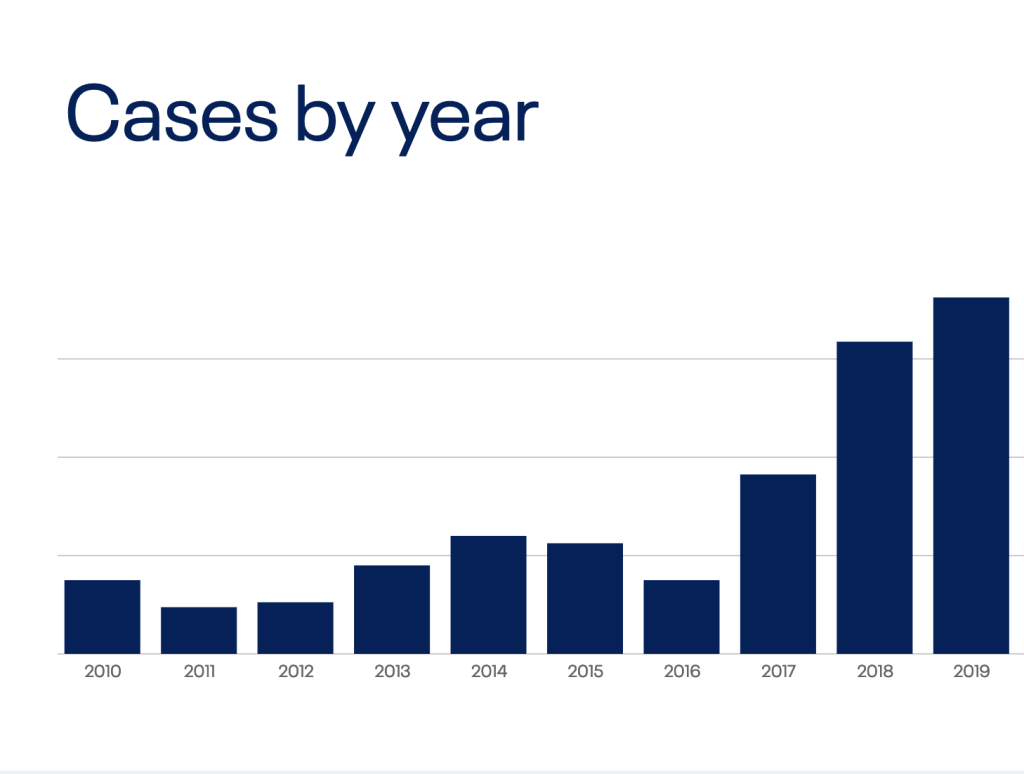
With ISHR’s #EndReprisals Database, users can more easily navigate the information contained in those reports, and research, analyse, and take action on the cases or situations so that together we can #EndReprisals.
Access the databaseEvery year, ISHR implements a campaign to #EndReprisals. Check them out!
Human rights defenders who engage with the United Nations are increasingly facing reprisals through transnational repression, as States seek to silence criticism beyond their borders.

Some States use travel bans as a reprisal against human rights defenders who cooperate with the United Nations. These acts of retaliation are designed to isolate, intimidate, and silence them. Join us in our campaign to #EndReprisals and end travel bans against defenders.
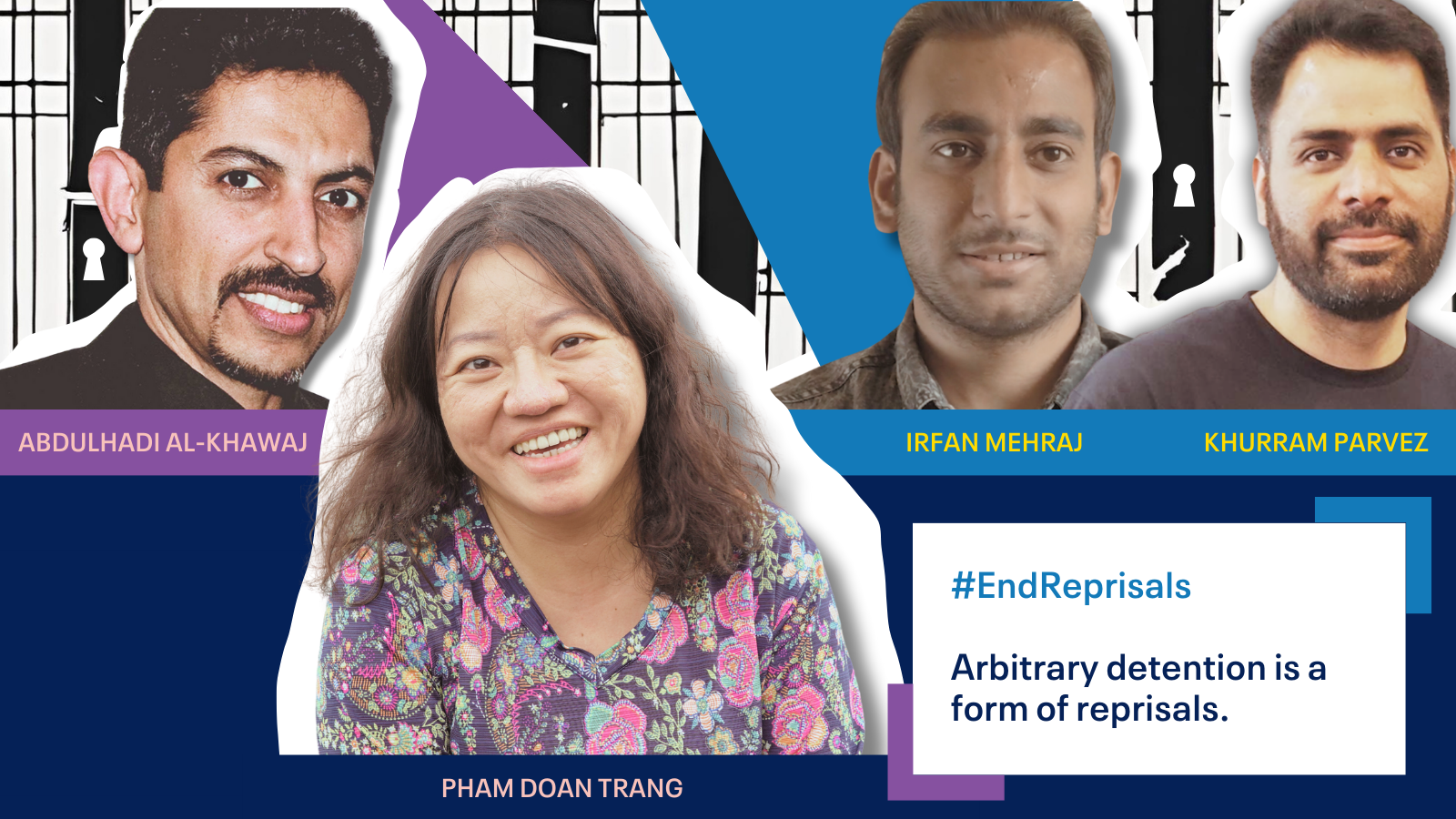
Imagine determined individuals speaking up for what’s right for their communities, and then facing intimidation, threats and even imprisonment when they engage with the United Nations. This is not acceptable. Help us safeguard their voices and freedom. Join our campaign to #EndReprisals!
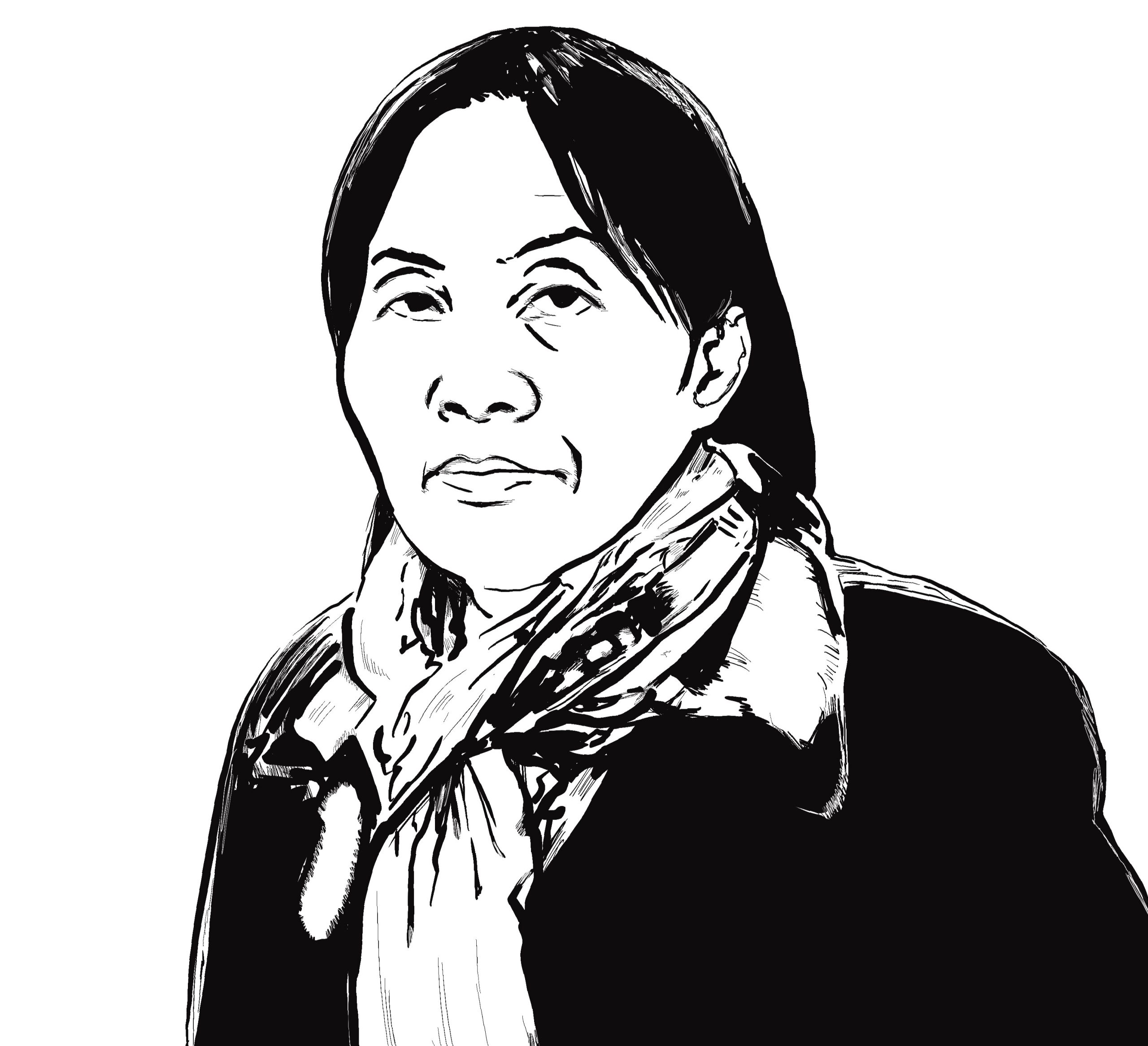
Ten years ago, Chinese woman human rights defender Cao Shunli was a victim of deadly reprisals for engaging with the United Nations. The International Service for Human Rights (ISHR) and partners are paying her tribute and honouring other Chinese, Uyghur, Tibetan and Hong Kong human rights defenders who continue to hold the Chinese government accountable.
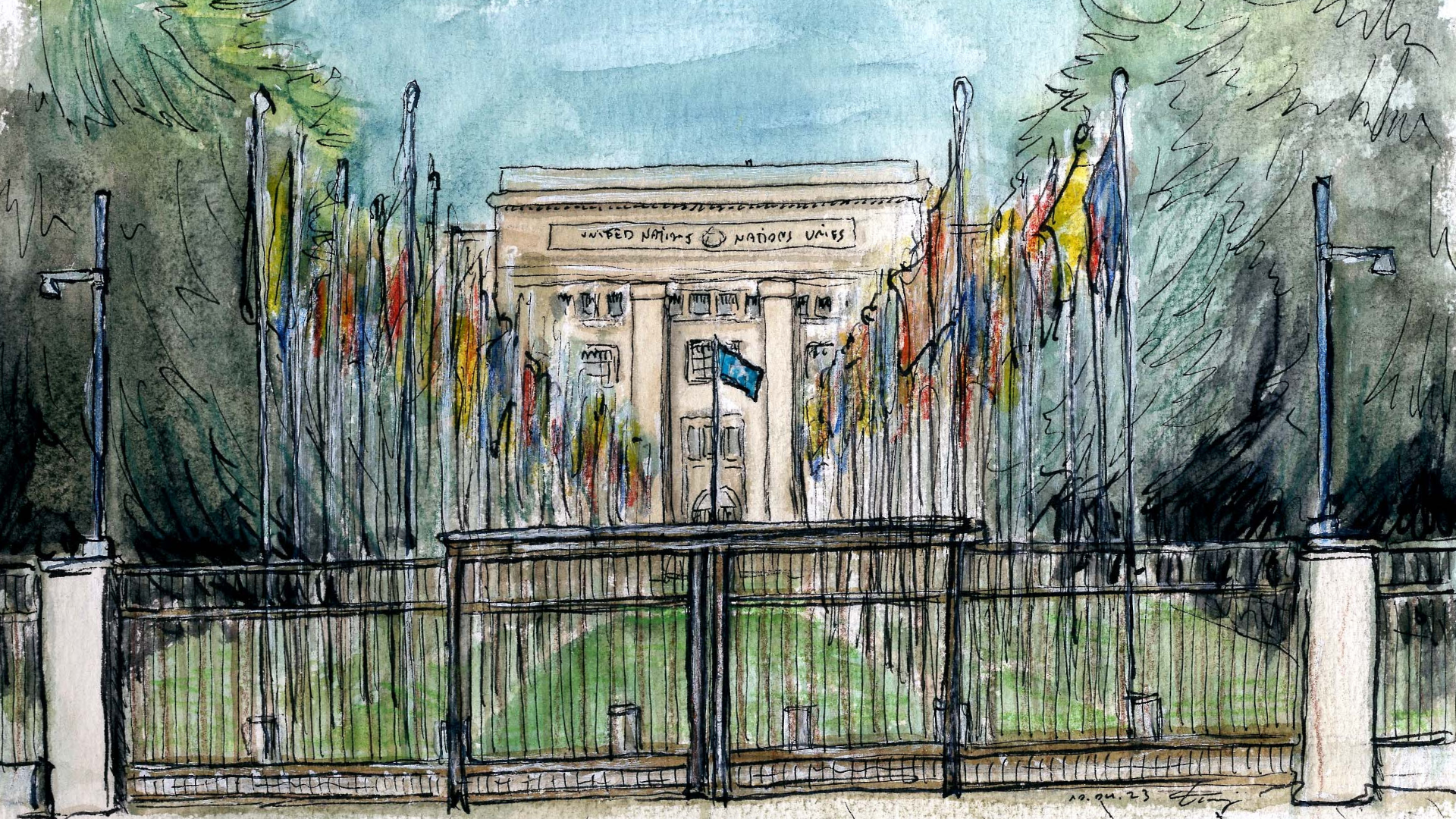
Human rights defenders are essential voices from our communities. They face intimidation and reprisals when engaging with the United Nations. Join our campaign to #EndReprisals!
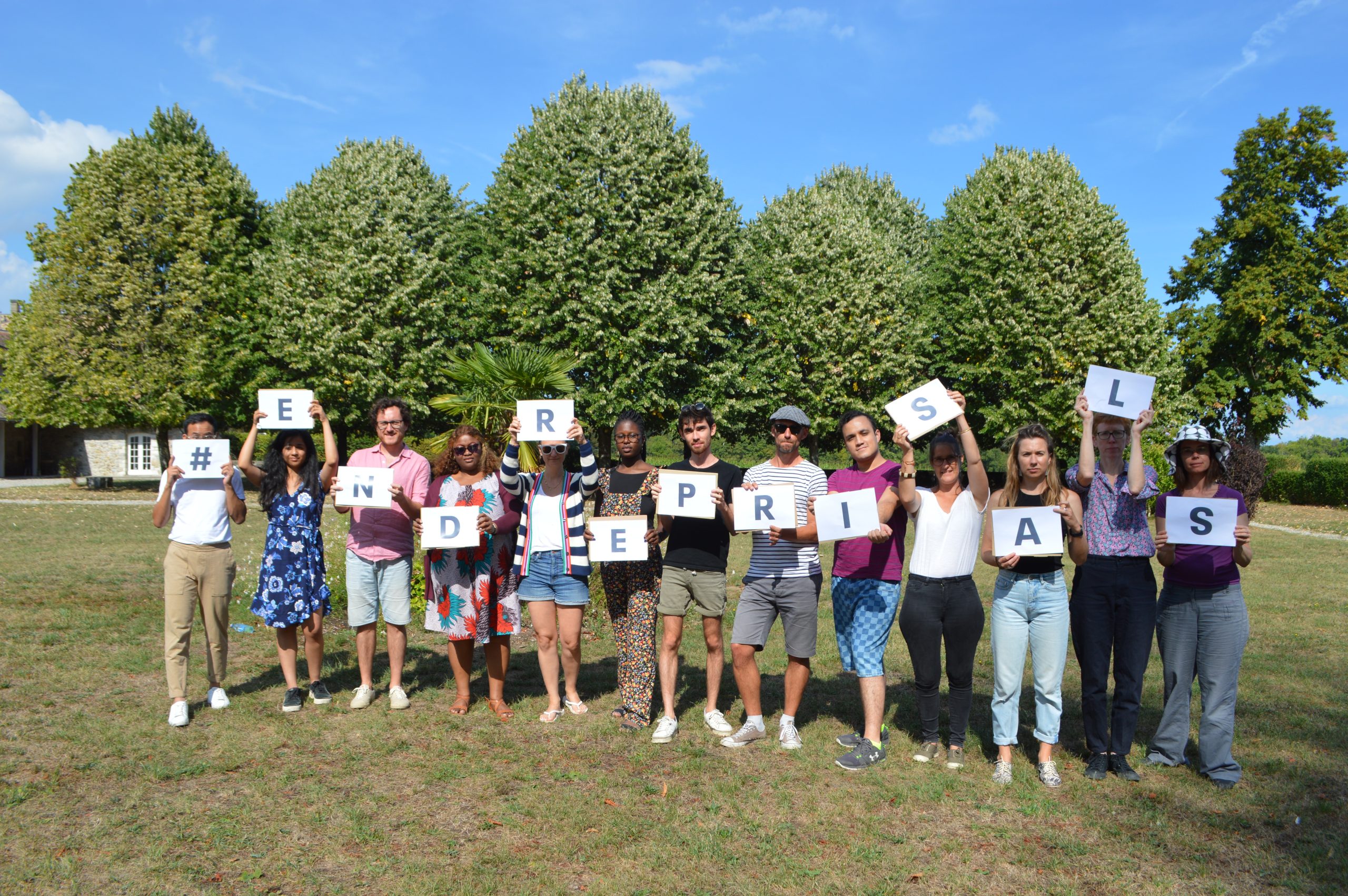
During the Interactive Dialogue on reprisals with the Assistant Secretary-General at the 51st session of the Human Rights Council, eight States raised specific cases of reprisals. Our work to #EndReprisals is not over!
On 8 October 2021, the Human Rights Council adopted a strong resolution on reprisals. Our work to #EndReprisals is not over!
Check out all the latest updates to this topic.

Our website is now five years old. In order to stay up to date and to improve it based on the needs of our audiences, we woud like to hear from you directly!

The UN Human Rights Office has raised concerns over harsh national security sentences against activists in Hong Kong and Macao. ISHR joins 39 other organisations in condemning Joshua Wong’s sentencing and calling for his immediate release.
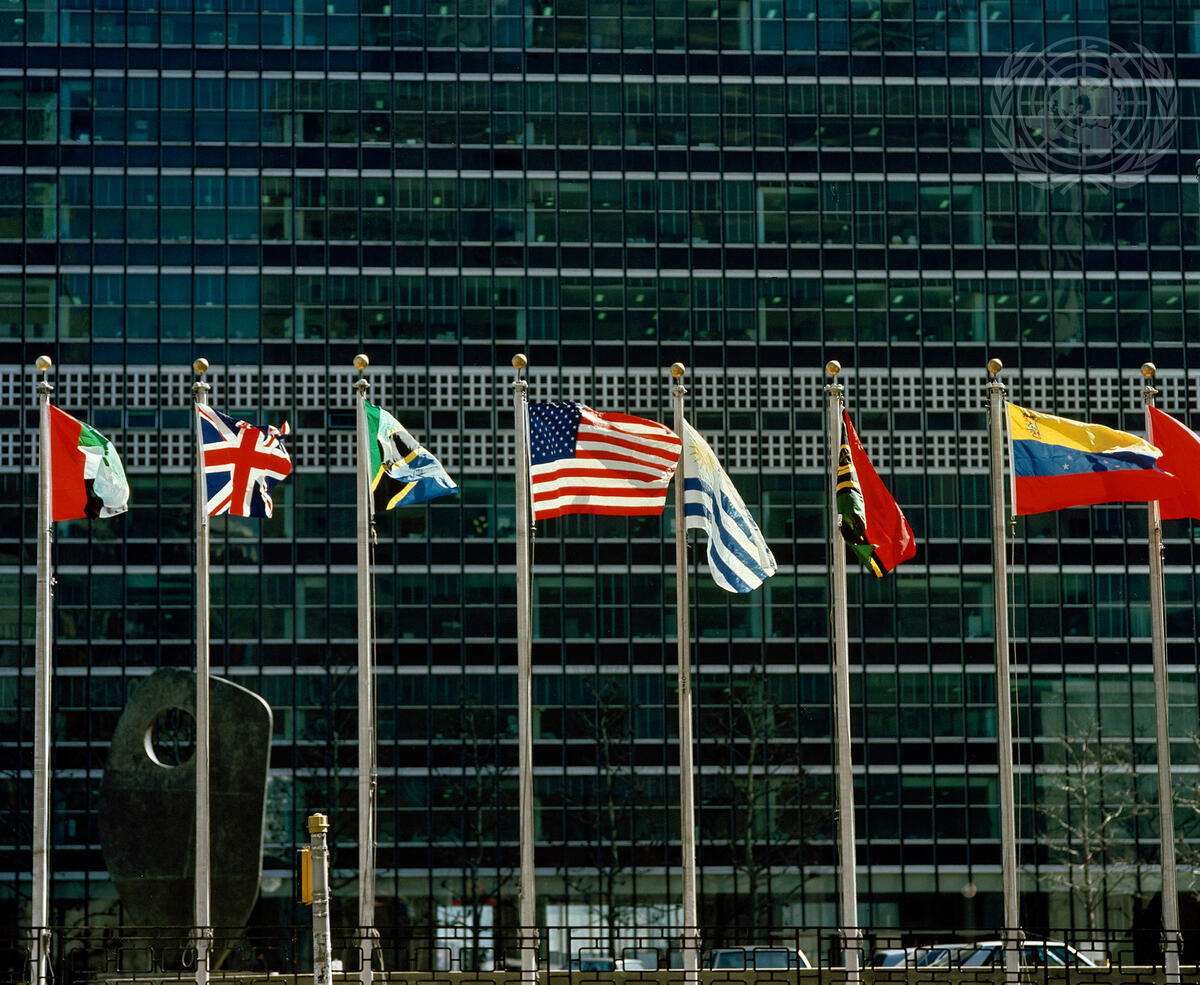
Following the United States' refusal to attend its scheduled Universal Periodic Review and its unprecedented lack of cooperation throughout this process, States at the Human Rights Council must place the country under tighter scrutiny.
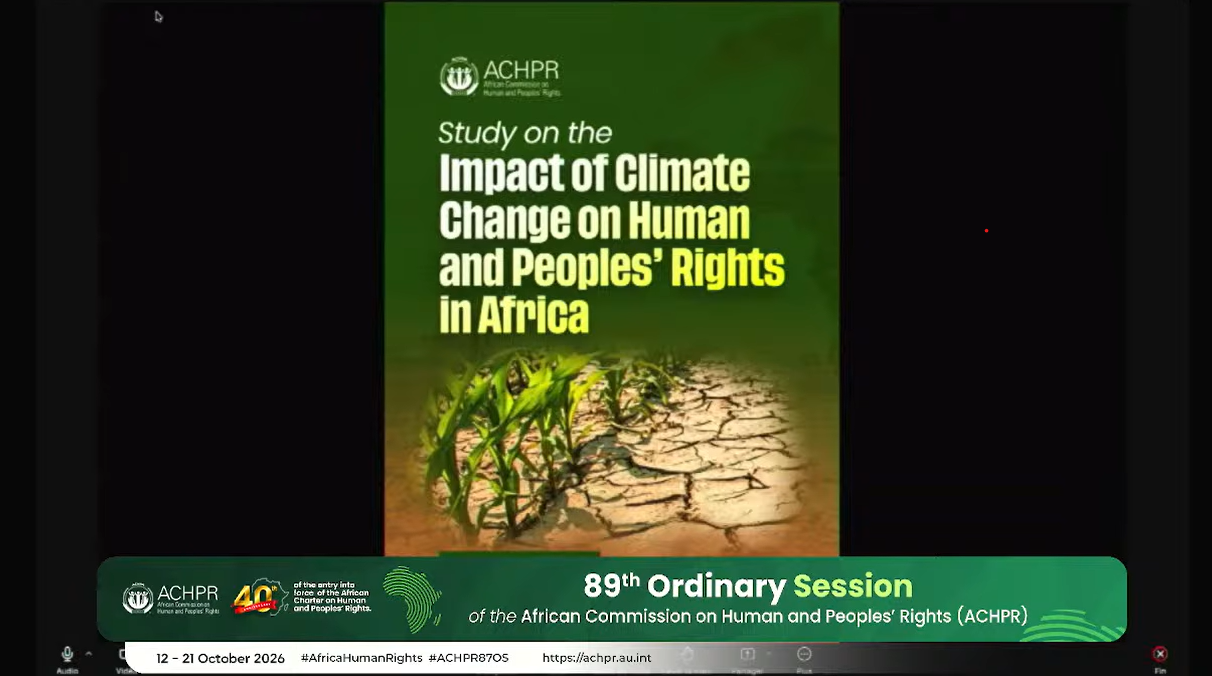
At its 89th ordinary session, the African Commission for Human and Peoples' Rights launched a study presenting climate change as a threat to the enjoyment of human rights.
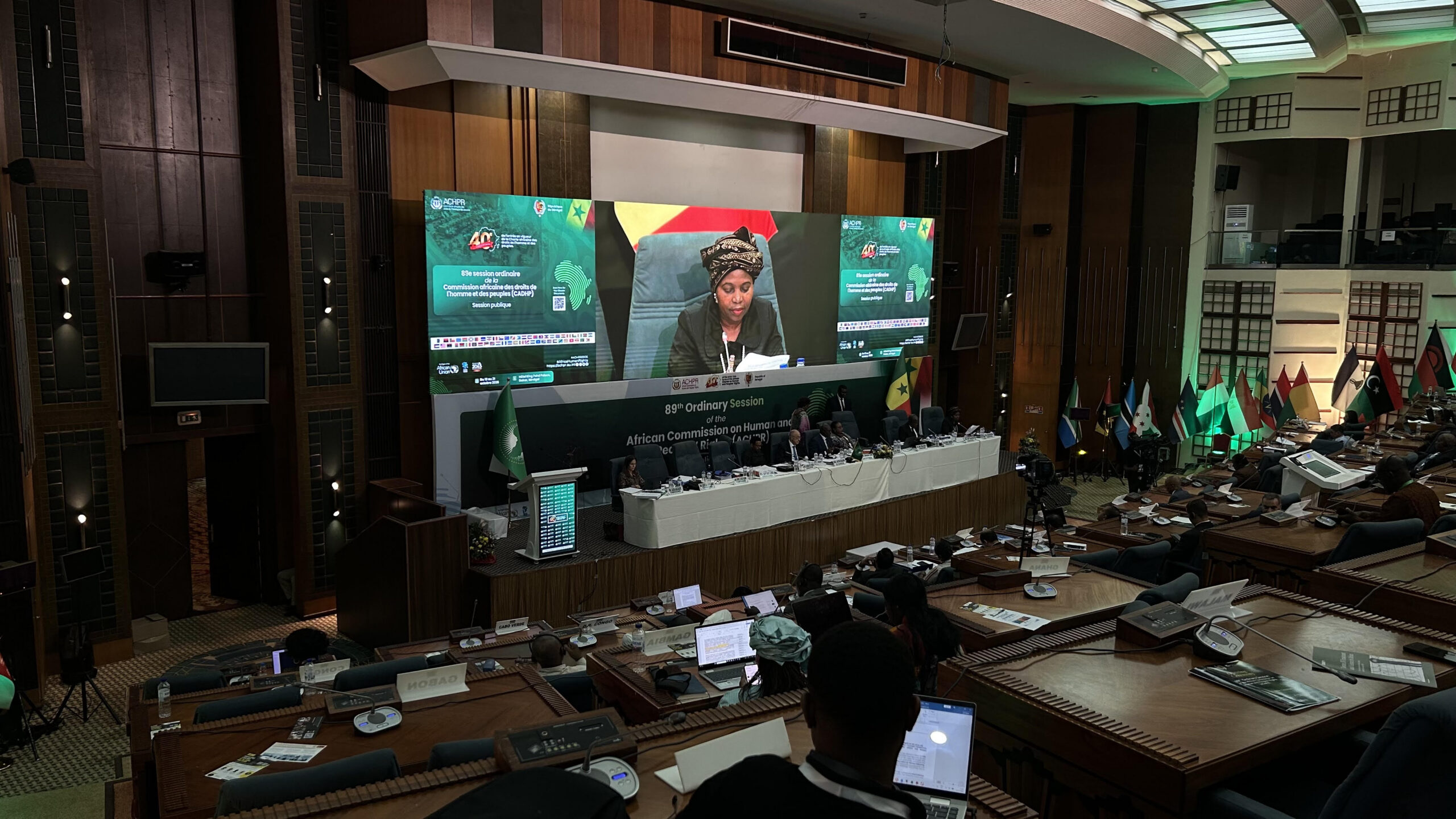
At its 89th session, the African Commission discussed an updated on the ratification of treaties, the implementation of decisions and recommendations, and the submission of reports by States Parties.
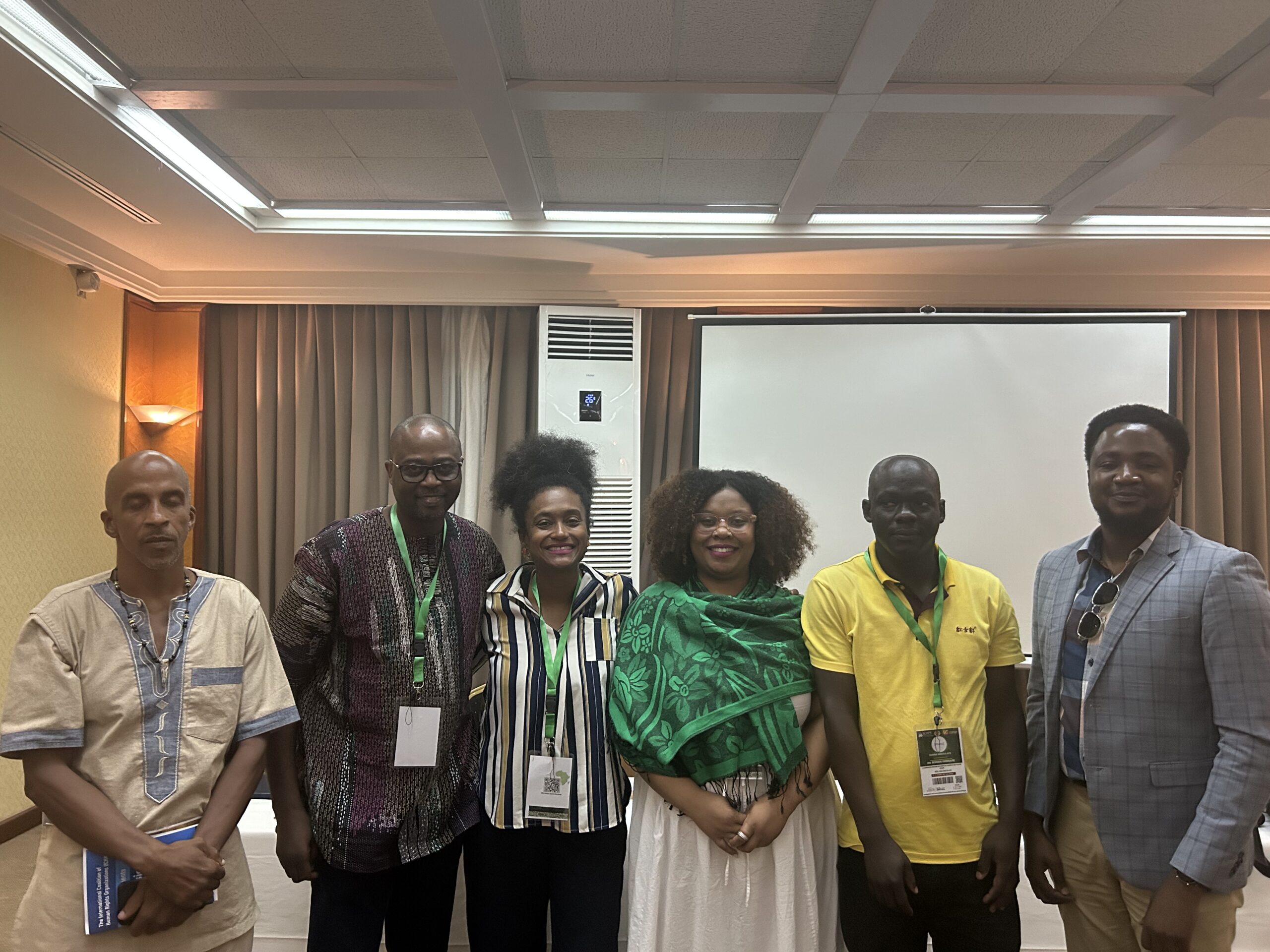
ISHR and Instituto Peregum organised a side event on reparations for historic and current injustices in the context of the African Commission for Human and People's Rights 89th session.