
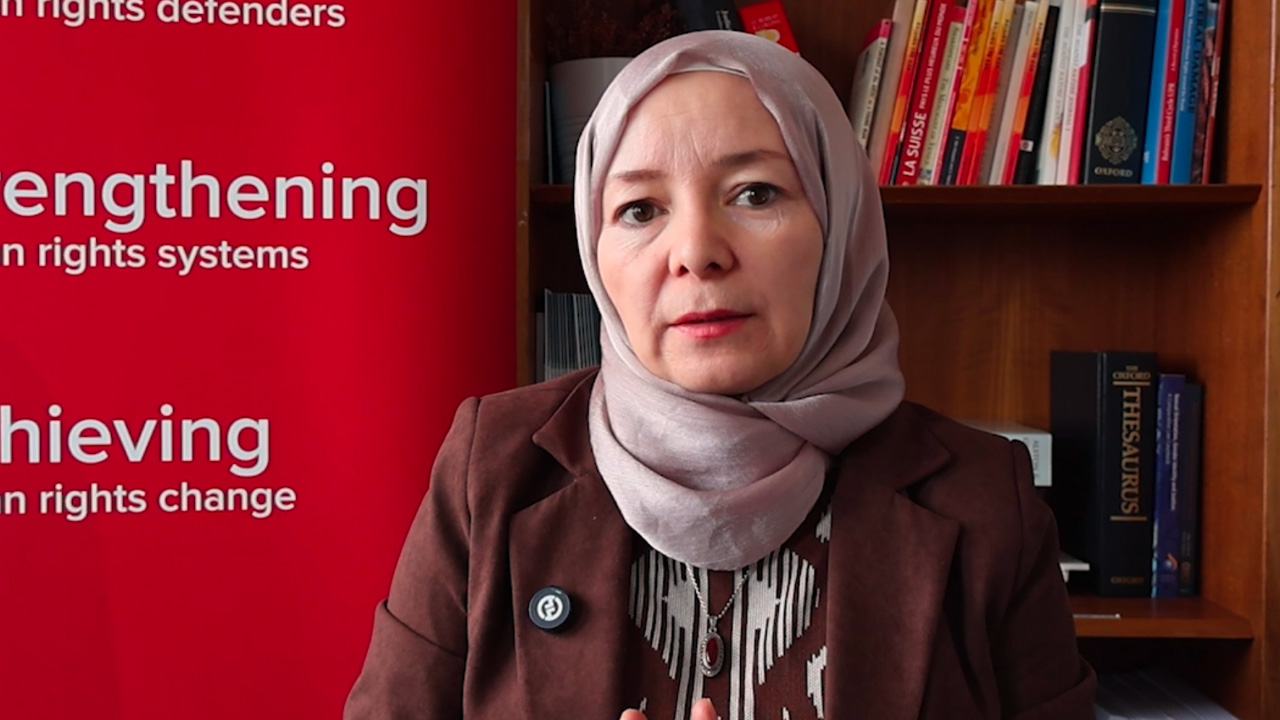
Human Rights Defender's story: Rizwangul NurMuhammad
'Speaking up is not only an act of resistance, but it is also an act of care and love for our kin.'
'After Covid, we will have learnt many things, and one of them is health: to take care of ourselves and value our body more, to find a way to take care of ourselves in a natural and organic manner'.
We first interviewed Romel, a Mayan human rights defender and member of the Regional Indigenous and Popular Council of Xpujil, in 2018. Today on Earth Day, we’re really glad to share a follow-up story about Romel’s work for the protection of nature, land and the rights of indigenous peoples and minority populations in Mexico.
In this video, Romel reflects on the impact of the Covid pandemic on human rights defenders’ work, and its influence on large touristic projects such as the Mayan Train. This megaproject will bring huge consequences for the indigenous populations and minority communities that live in the territory and therefore, many organisations, as well as Romel, are fighting against its construction and for the preservation of land and our environment.
'Speaking up is not only an act of resistance, but it is also an act of care and love for our kin.'
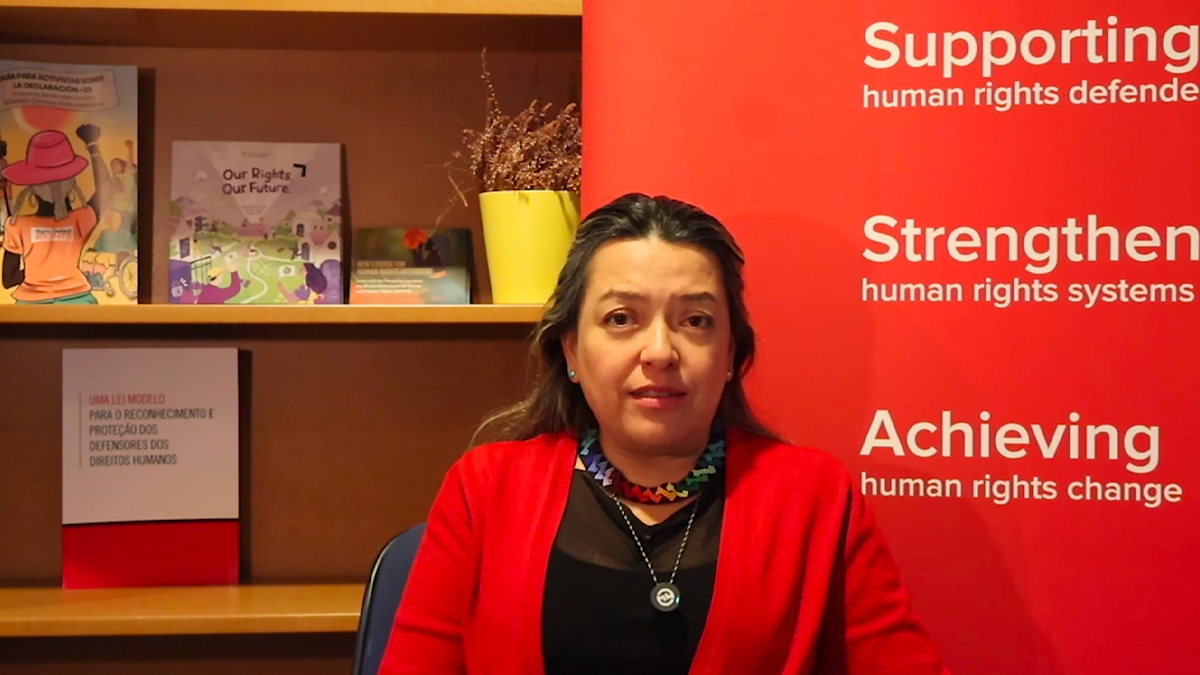
'A revolution where you can’t dance is not my revolution,' Ecuadorian environmentalist Nathalia Bonilla told ISHR, arguing for an ‘environmentalism for the people'.
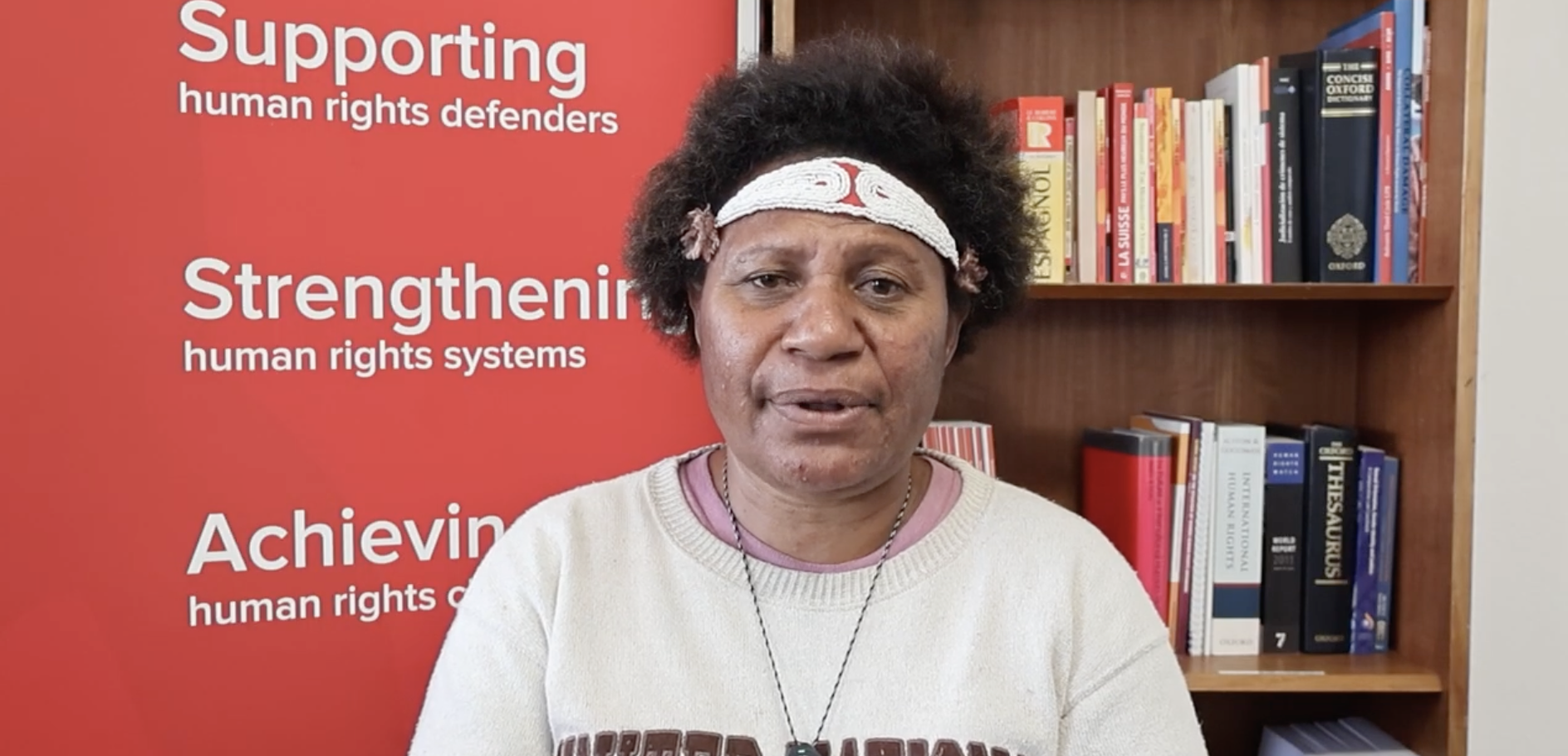
'When we feel the impact of the loss and damages of the environment that we belong to, that's the only source of our strength for doing our subsistence farming and produce food for the family,' says Cressida Kuala.