请点此阅读中文版
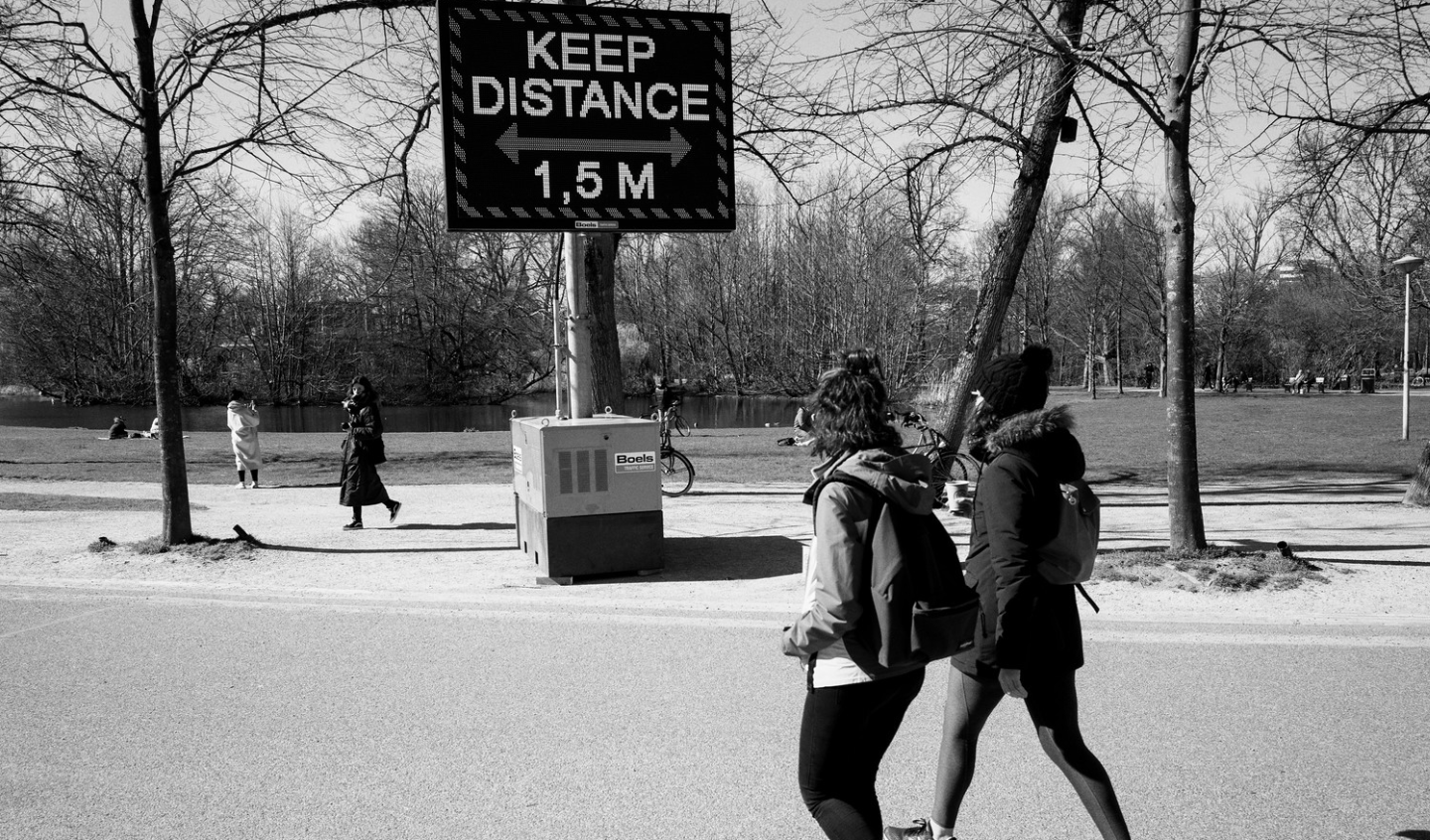
Today, ISHR joined a coalition of 187 organisations to draw the attention of the UN Human Rights Council to the situation of LGBTI persons and those who defend their rights in the context of the COVID-19 pandemic outbreak.
In line with the call to action signed by 96 human rights experts, organisations working for the protection of the human rights of persons of diverse sexual orientation, gender identity and expression and sex characteristics (SOGIESC) globally have urged States and stakeholders to ensure that this public health emergency will neither exacerbate existing misconceptions, prejudices, inequalities or structural barriers, nor lead to increased violence and discrimination against persons with diverse SOGIESC.
The current public health crisis caused by the spread of COVID-19 is a global emergency with far-reaching social, economic, and ecological implications for us all. At the same time, there is clear and growing evidence that State responses in the delivery of healthcare, the implementation of lockdown measures and policies designed to mitigate economic consequences have disproportionate and discriminatory impacts on marginalised groups, including LGBTI persons. The pandemic is exposing and deepening existing discrimination, violence and other human rights violations on the basis of SOGIESC.
While acknowledging that actions to combat the COVID-19 pandemic are urgent and necessary, States must ensure to comply with international human rights obligations in responses to the outbreak and the vulnerabilities of specific groups – including LGBTI persons – must be taken into account. To achieve this, the design, implementation and evaluation of State responses to this emergency must be done in consultation with civil society and defenders working for the protection of the rights of LGBTI persons.
Read the full statement here.
A summary of recommendations
Right to health
In a context where access to health is at the core of a human rights approach to the pandemic, States must uphold their obligations to ensure the accessibility of health care and services to every person, including sexual and reproductive health, without discrimination of any kind.
Rise of stigma and discrimination and scapegoating of LGBTI persons
States must comply with international human rights laws and standards when implementing emergency measures, following requirements of legality, necessity, proportionality and non-discrimination, including on the basis of SOGIESC. States must refrain from targeting specific individuals or groups, using measures to roll back existing rights protecting LGBTI persons and combat hate speech aiming to connect the outbreak with the LGBTI community.
Access to housing, water and sanitation, and consequences of social distancing
States should guarantee that shelters are inclusive for all persons regardless of their SOGIESC and implement measures allowing LGBTI persons to report violence and discrimination suffered in a private context, including at homes and shelters.
Right to work and impacts on livelihood
States should ensure that emergency measures to address the socio-economic impacts of the pandemic, as well as recovery plans, are inclusive to LGBTI persons – especially to trans, older and homeless LGBTI persons.
Civic space restrictions
It is imperative that as this crisis ensues, governments and multilateral institutions maintain transparency, live up to their obligations, do not side-line genuine civil society participation, and ensure access to national, regional and international systems of accountability. States and stakeholders should implement lines of action designed to sustain and ensure the continuity of the engagement of civil society and human rights defenders in UN bodies and mechanisms.
Organisations signing the statement
- ILGA World
- 6Rang (Iranian lesbian and Transgender network)
- ABGLT – Associação Brasileira de Lésbicas, Gays, Bissexuais, Travestis, Transexuais e Intersexos
- Accountability International
- ADESPROC LIBERTAD LGBTI
- African Human Rights Coalition (AHRC)
- Alliance Against Discrimination of LGBT
- Alliance for Equality and Diversity
- Amnesty International
- ARC International
- Asia Pacific Alliance for Sexual and Reproductive Health and Rights
- Asia Pacific Transgender Network (APTN)
- Asistencia Legal por los Derechos Humanos Asociación Civil
- Asociacion Colectivo Alejandria El Salvador
- Asociacion Diversidad Sexual Nicaragüense
- Asociacion LGTB Arcoiris de Honduras
- Asociación MANU
- Asociación OTD Chile
- Associação Brasileira de Mulheres Lésbicas, Bissexuais, Travestis e Transexuais
- Associação ILGA Portugal
- Association Humanity First Cameroon
- Associazione Radicale Certi Diritti
- Balance Promoción para el Desarrollo y Juventud A.C.
- Bandhu Social Welfare Society
- Bisexual Alliance Victoria Inc
- Bisi Alimi Foundation
- Blue Diamond Society
- Brazilian Lawyers Order – São Paulo State Bar – Sexual and Gender Diversity Comission
- Bundesverband Trans*
- C.A.N-Myanmar & PFLAG-Myanmar
- Caribe Afirmativo
- çavaria
- Centro de Promoción y Defensa de los Derechos Sexuales y Reproductivos – Promsex
- CHOICE for Youth and Sexuality
- Clóset de Sor Juana
- COC Nederland
- CODISE AC
- Colectiva Luna Celaya
- Colectivo Diversa CODIVER
- Colectivo Michoacán es Diversidad
- Collectif Arc-En-Ciel
- Colombia Diversa
- Comunidad DIVERSIDAD
- Comunidad Homosexual Argentina (CHA)
- Conectas Direitos Humanos
- Conurbanes por la Diversidad
- Corporación Red de Minorías Sexuales
- DA Rainbow Network
- DeGenderation Confederation
- Digital Broadcast Initiative Equal Access
- Disidencias Obregonenses
- Diverlex Diversidad e Igualdad a Través de la Ley
- Diversidad Democrática
- Diversity and Solidarity Trust
- Eastern European Coalition for LGBT+ Equality
- ECOM – Eurasian Coalition on Health, Rights, Gender and Sexual Diversity
- Equality Australia
- Equality Triangle
- Equidad y Participación Ciudadana A.C.
- ERA – LGBTI Equal Rights Association for Western Balkans and Turkey
- Executive Director
- F’INE Pasifika Aotearoa
- FRI – The Norwegian organisation for sexual and gender diversity
- Fundación AMAL Argentina
- Fundacion Arcoiris por el respeto a la diversidad sexual
- Fundación Diversencia
- Fundacion Ecuatoriana Equidad
- Fundación Iguales
- Fundacion Igualitos
- Fundación Reflejos de Venezuela
- GALE, Global Alliance for LGBT Education
- GATE
- Gender Dynamix
- GENDERDOC-M Information Centre
- GIN-SSOGIE
- Grupo de Advogados pela Diversidade Sexual e de Gênero (GADVS)
- Grupo Safo
- Helem
- Helen Kennedy
- Human Dignity Trust
- Human Rights Campaign
- Human Rights Council of Australia Inc
- Human Rights Defenders Network-SL
- Humans hands llc
- IGLYO — The International LGBTQI Youth & Student Organisation
- ILGA Asia
- ILGA-Europe
- ILGALAC- Asociación Internacional de Lesbianas, Gays, Bisexuales, Trans e Intersex para América Latina y el Caribe
- Instituto para el Desarrollo Humano – Bolivia
- interACT: Advocates for Intersex Youth
- Interfaith Diversity Network of West Africa
- International Bar Association
- International Family Equality Day
- International Institute on Race, Equality and Human Rights
- International Planned Parenthood Federation (IPPF)
- International Planned Parenthood Federation, East and South East Asia and Oceania Region (ESEAOR)
- International Trans Fund (ITF)
- Intersex Asia Network
- ISHR
- ISHTAR
- ITANZ
- Khmer HIV/AIDS NGO Alliance (KHANA)
- Kimirina
- Korean Sexual-minority Culture & Rights Center
- Las Reinas Chulas Cabaret y Derechos Humanos AC
- LEGABIBO
- Lesbian and Gay Federation in Germany LSVD
- Lesbianas Independientes Feministas Socialistas-LIFS
- LGBT Danmark
- LGBTI POR LA PAZ COLOMBIA
- Manodiversa
- Marriage for All Japan
- Más Igualdad Perú
- Mawjoudin We Exist for Equality
- Mitini Nepal
- Morras Help Morras
- MPact Global Action for Gay Men’s Health & Rights
- MUJER & MUJER
- Mulabi/Espacio Latinoamericano de Sexualidades y Derechos
- Nafas LGBT Azerbaijan Alliance
- Namibia Diverse Women’s Association (NDWA)
- National Association of Travestis and Transgender of Brasil (ANTRA)
- Naz Foundation International
- NGO Fulcrum UA
- Observatorio de Derechos Humanos de Personas Trans-ODHPT
- Observatorio Nacional de Crímenes de Odio a LGBT en México
- ODRI Intersectional rights
- OII Chinese (Organization Intersex International-Chinese)
- Organización de Hombres Gays G.Men.V. Tarija – Bolivia
- Organización Ecuatoriana de Mujeres Lesbianas – OEML
- Our Circle
- OutRight Action
- Oxfam South Africa
- Pacific Human Rights Initiative
- Pan Africa ILGA
- Pelangi Campaign
- PFLAG National
- Pink Armenia
- Pioneer FTM
- Planet Ally
- Pride House Tokyo
- Promoting Empowerment Through Awareness For Lesbian and Bisexual Women (PETAL)
- Queer Hindu Alliance
- Rainbow Community Kampuchea-RoCK
- Rainbow Path
- RDS Nicaragua
- RED DE JOVENES LGBTI CDMX
- Red Nacional de Apoyo a Personas Migrantes y Refugiadas LGBT México (REDAPM)
- Red Nacional de Diversidad Sexual y VIH de Guatemala, REDNADS
- RHAC
- RWS {Rajmala Welfare Society}
- Samoa Family Health Association
- SEED Malaysia
- Sex og Poitikk (IPPF Norway)
- Sexual Minorities Uganda – SMUG
- Sistema Regional de Información SInViolencia LGBTI
- Solace Initiative
- Solidarity Sisters Network of Liberia (SoSNoL)
- Spectrum
- Srishti Madurai LGBTQIA+ Student Volunteer Movement
- STRAP
- Swedish Association for Sexuality Education – RFSU
- Swedish Federation of LGBT Rights – RFSL
- The Alliance of Egyptian Queer Organizations (AQEO)
- The Cambodian Center for Human Rights (CCHR)
- The Institute for Studies of Society, Economy & Environment
- The Leabian and Gay Association(LEGAL)
- The People’s Matrix
- TransAction
- Transcuba
- Transgender Victoria Inc
- TRANSSA Trans Siempre Amigas
- Transsmart Trust
- Transvanilla Transgender Association
- Triangle Project
- UNA MANO AMIGA EN LA LUCHA CONTRA EL SIDA AC
- UNASSE, A.C.
- United Belize Advocacy Movement
- United Democratic Movement Youth Vanguard
- UPO “Gay Alliance Ukraine”
- VIHDHA AC
- Visibles, ONG
- Vivir. Participación, Incidencia y Transparencia, A.C.
- Volt Europa
- YCSRR
- Yongama Levertte & Ntando Dogini Foundation
- Young Queer Alliance