topleft
topright
tb_banner_cloudless.jpg
Inter-Committee Meeting focuses on CAT's new reporting procedure PDF Print E-mail
Last Updated on Tuesday, 24 August 2010


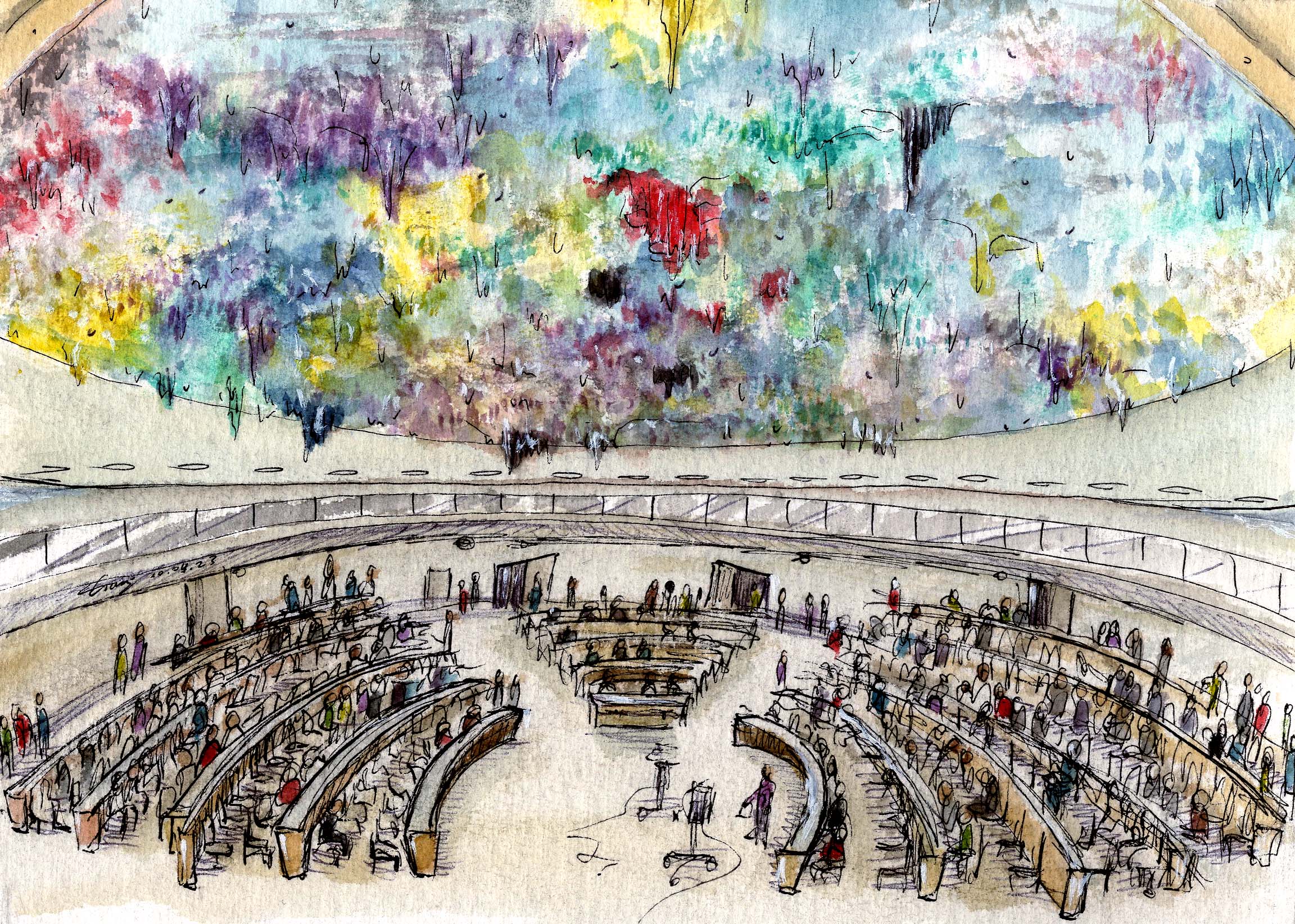
The 11th Inter-Committee Meeting of UN Human Rights Treaty Bodies (ICM) was held at Palais Wilson, Geneva, from 28 to 30 June 2010. In her opening statement, the Deputy High Commissioner for Human Rights, Ms Kyung-wha Kang, drew attention to the way in which rapid growth of the treaty body system and related structural challenges were beginning to 'overwhelm' the whole system, and the associated need to rationalise the 'unwieldy' reporting process.


The key area of discussion was the new optional reporting procedure, known as the 'list of issues prior to reporting', adopted by the Committee against Torture (CAT), and the Human Rights Committee (HRC). The benefits of the new procedure were largely acknowledged by the Committee members to be the facilitation of more focused reports and therefore of more targeted concluding observations.


Ms Keller (HRC) drew attention to the need to ensure that the procedure is flexible enough that new issues not included in the list of issues can be raised during the review of the State party. Ms Gaer (CAT) cautioned the ICM against over-reliance on CAT's experience, given that it has not yet to review the first State under the new reporting procedure, and Mr Grossman (CAT) noted the additional burden in terms of resources and workload that the list of issues prior to reporting places on the treaty bodies. Ms Lee (CRC, and chair of the ICM) proposed that CAT report back to the ICM in January 2011 to be followed by further discussion at the ICM in June 2011.

Read more...
 
Background information PDF Print E-mail
Last Updated on Tuesday, 01 January 2008

What are the treaty bodies?

The treaty bodies are international committees of independent experts who monitor State parties’ implementation of each of the seven core human rights treaties and their optional protocols. The implementation of each of the international treaties is monitored by its own committee. At present, there are eight treaty bodies/committees monitoring the implementation of the seven core international human rights conventions. They are:


  • The Committee against Torture (CAT) and the Sub-Committee on the Prevention of Torture (SPT)
  • The Committee on the Elimination of Discrimination against Women (CEDAW)
  • The Committee on the Elimination of Racial Discrimination (CERD)
  • The Committee on Economic, Social and Cultural Rights (CESCR)
  • The Committee on the Protection of the Rights of All Migrant Workers and Members of Their Families (CMW)
  • The Committee on the Rights of the Child (CRC)
  • The Human Rights Committee (HRC)


For further information on each of the bodies, please click on the respective links on the left.

Consideration of reports by treaty bodies

When States become party to one of the international human rights treaties, they are obliged to submit an initial, followed by periodic reports to the treaty body in question. The main purpose of the periodic reports is to examine the extent of the compliance of States with their obligations under the treaties, and how these obligations have been translated into the domestic legal provisions of the particular State. Ideally, the preparation of the report should also serve as a means by which countries can assess and debate particular human rights issues in their own countries, and identify problems and areas that may require further attention. One of the primary ways through which treaty bodies monitor implementation of their respective treaty by State parties is through the consideration of these State party reports.

Further reading

ISHR monitors and reports on the Committees' examination of State reports. Please see the Treaty Body Monitor in the Publications section to access the reports.


For a comprehensive guide to the treaty bodies, see ISHR Simple Guide to the Treaty Bodies.


OHCHR has also produced a Handbook for NGOs that contains an instructive chapter on how to engage with the treaty bodies.


For more information, see also OHCHR.


© by The International Service for Human Rights (ISHR) 2010