
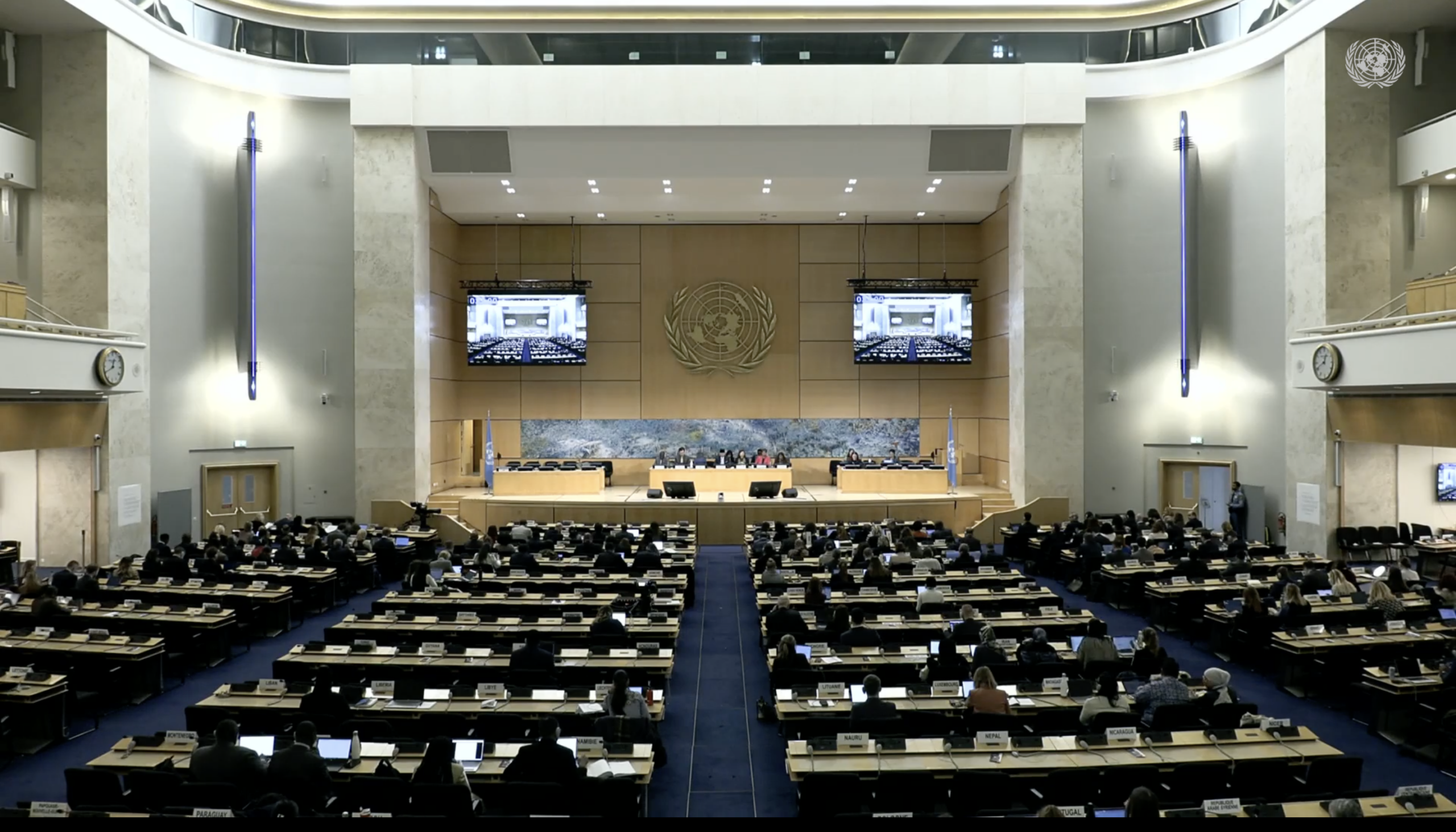
HRC63: Civil society presents key takeaways from the session
At the 63rd Human Rights Council session, civil society organisations shared reflections on key outcomes and highlighted gaps in addressing crucial issues and situations.
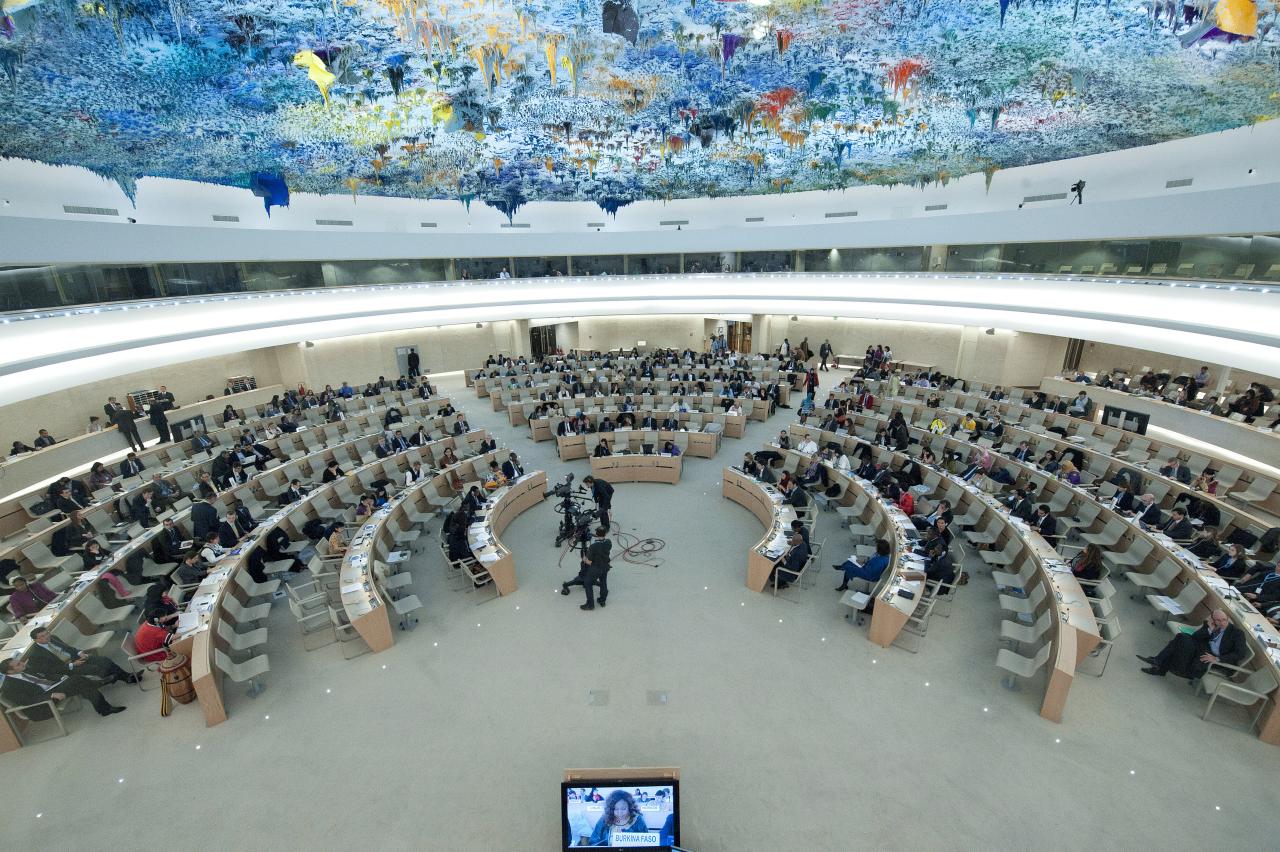
The Human Rights Council is the world’s peak multilateral human rights body. It is comprised of 47 Member States and meets at least three times per year in Geneva. It is mandated to strengthen the global promotion and protection of human rights, and to address human rights violations and situations of concern.
ISHR works intensively at the Human Rights Council to support the work of human rights defenders. Our strategic combination of research, capacity building, policy development, and advocacy seeks to ensure that the Council is accessible to human rights defenders, protects them against intimidation and reprisals, and is an effective mechanism for change on the ground.
We also monitor and report on States’ cooperation with the Human Rights Council and advocate to ensure that States that seek membership are held to account for their commitment to ‘uphold the highest standards in the promotion and protection of human rights’.
Read more about our impact and vision in making progress and preventing regress for civil society at the UN.
At the 63rd Human Rights Council session, civil society organisations shared reflections on key outcomes and highlighted gaps in addressing crucial issues and situations.
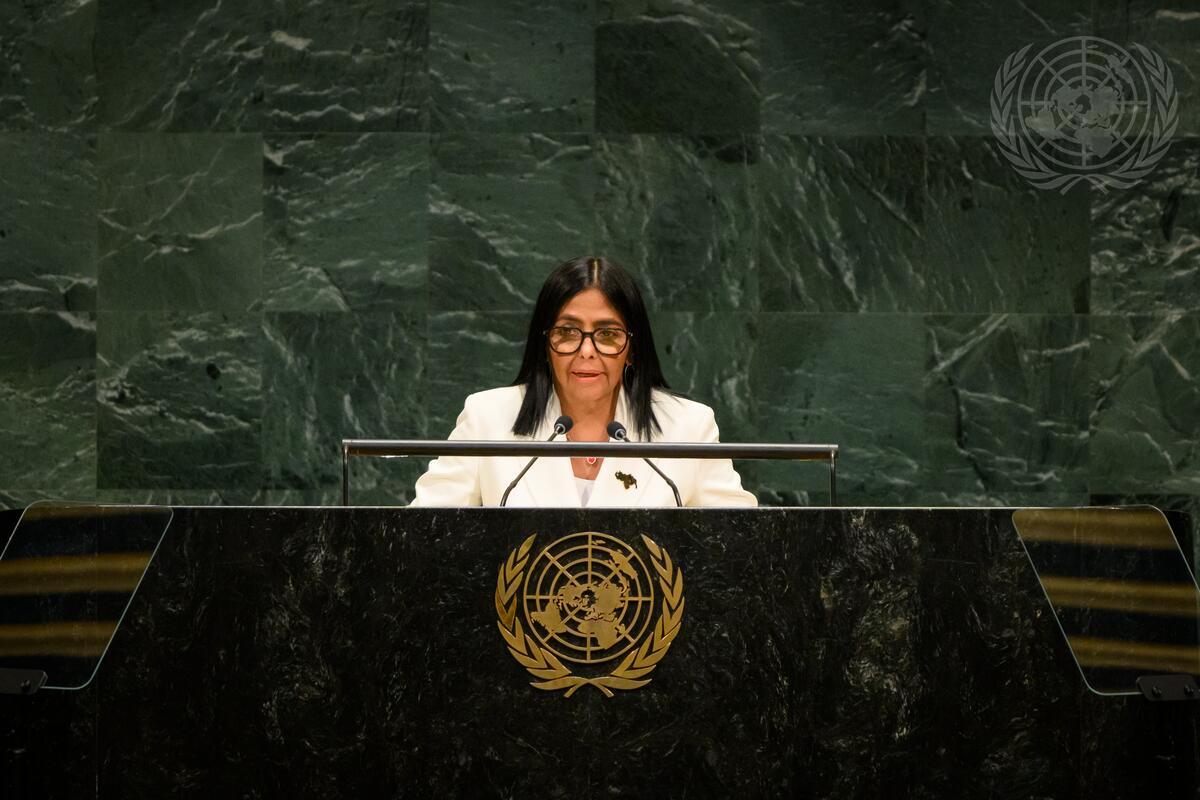
The Human Rights Council renewed the mandates of its Fact-Finding Mission on Venezuela and of the Office of the United Nations High Commissioner for Human Rights to monitor human rights in the country, at a time when global scrutiny is more needed than ever to ensure reforms respect and protect human rights.
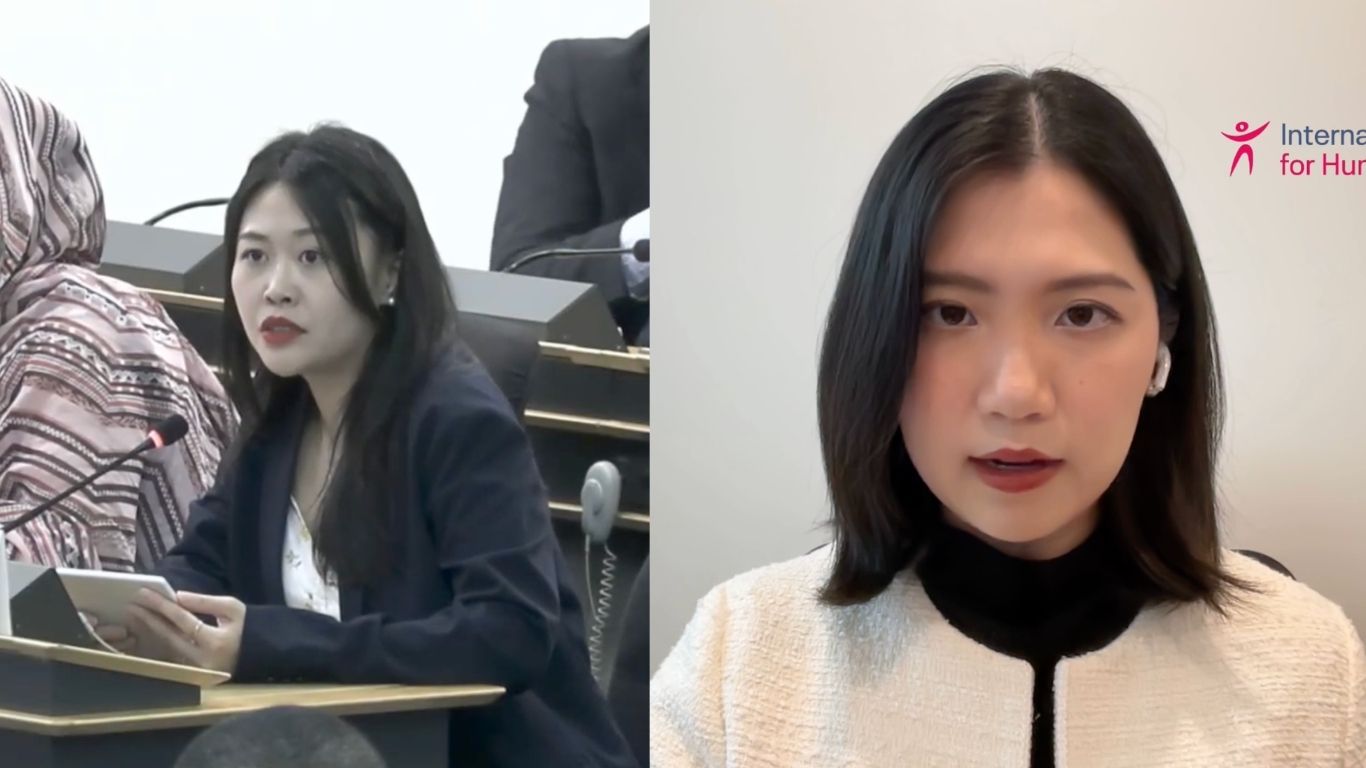
At the Human Rights Council’s 63rd session (HRC63), Hong Kong human rights defenders Carmen Lau and Anna Kwok brought their testimony of transnational repression before the Council, as States renewed scrutiny of China’s human rights record.
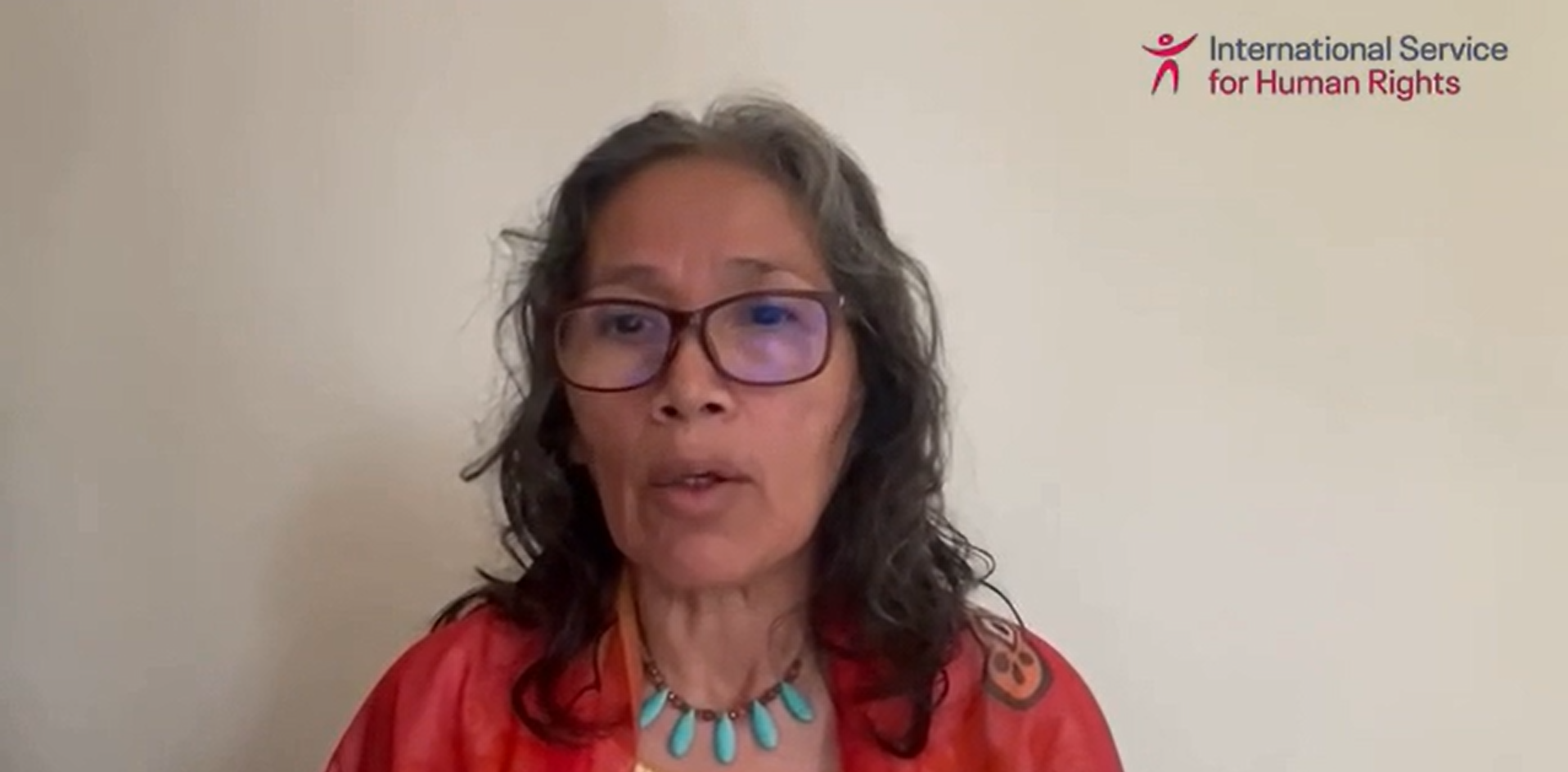
At the Human Rights Council, ISHR and CONTIOCAP warned that environmental destruction threatens Indigenous Peoples’ lives including natural and cultural heritage. States must respect their right to self-determination and end the criminalisation of Indigenous defenders.
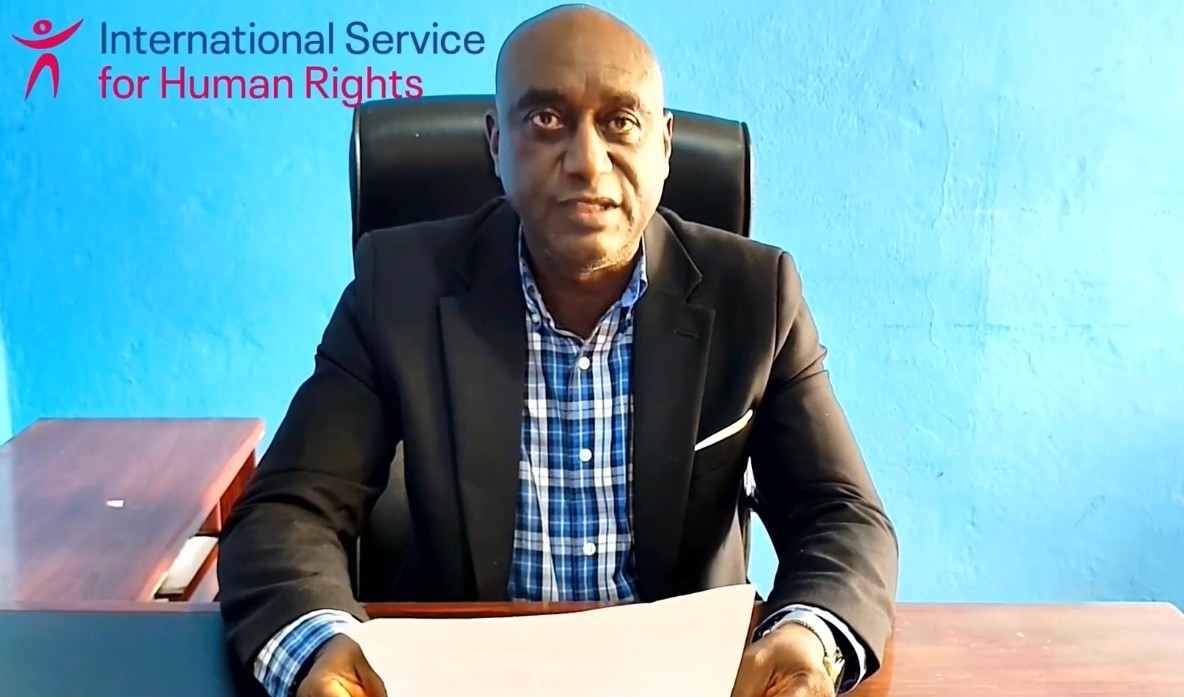
On 28 September, a delegation from the Government of Sierra Leone presented its fourth report under the Universal Periodic Review to the Human Rights Council. Of the 310 recommendations received, Sierra Leone 'took note' of 39 and accepted 271, of which 19 on the protection of human rights defenders and their working environment.
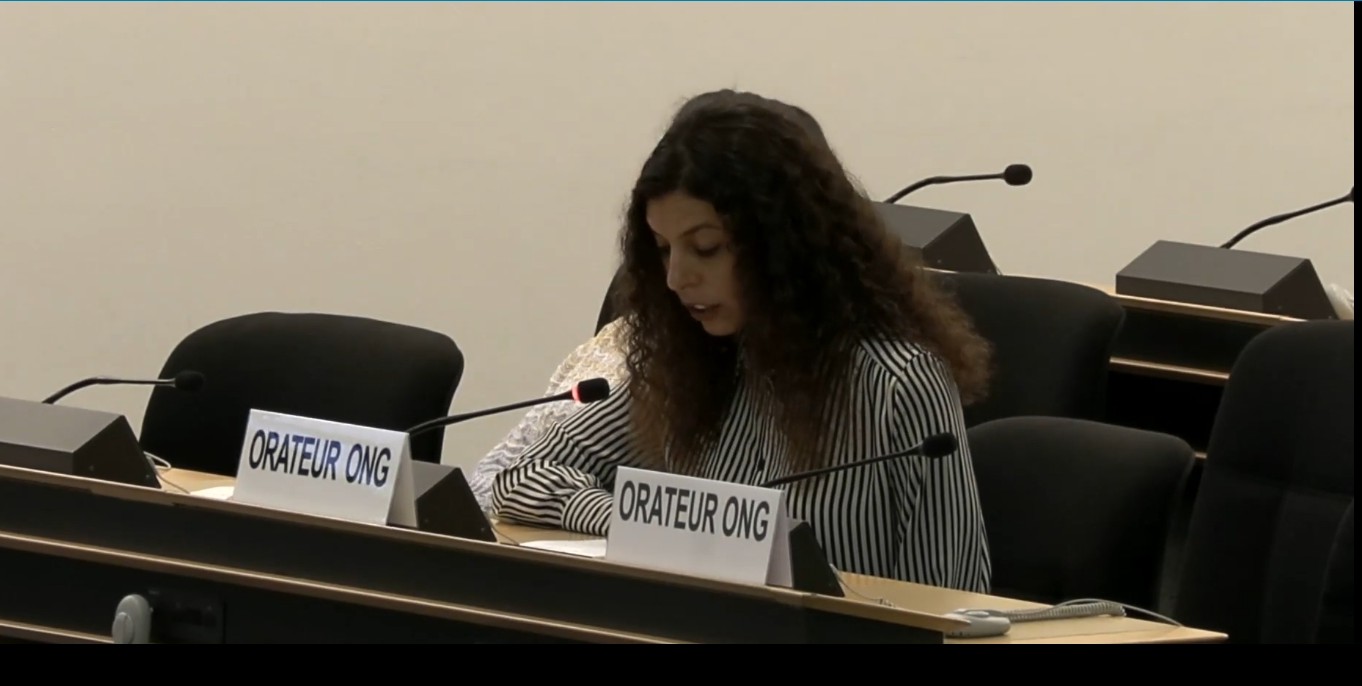
On 28 September, a delegation from Seychelles presented its fourth report under the Universal Periodic Review to the Human Rights Council. Of the 199 recommendations received, Seychelles 'took note' of 12 and accepted 186 of which four on the protection of human rights defenders and their working environment.

Understand the structure, purpose and mandate of the Human Rights Council and the opportunities for effective engagement.
Visit the ISHR Academy to find out more!
ISHR has followed the UN80 Initiative and has advocated for this reform process to align with human rights defenders' needs. This page compiles a series of documents to understand what the UN80 Initiative is and what it means for the UN human rights mechanisms, and to help human rights defenders working at national and regional levels to engage with it.
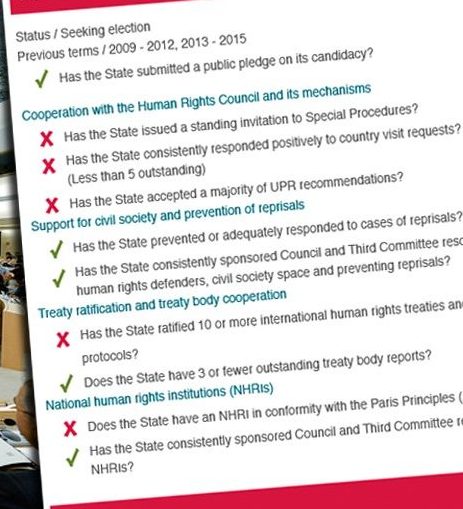
ISHR has published ‘scorecards’ for States seeking election to the UN Human Rights Council for 2027-2029 to help inform voting States’ decisions in the upcoming election.
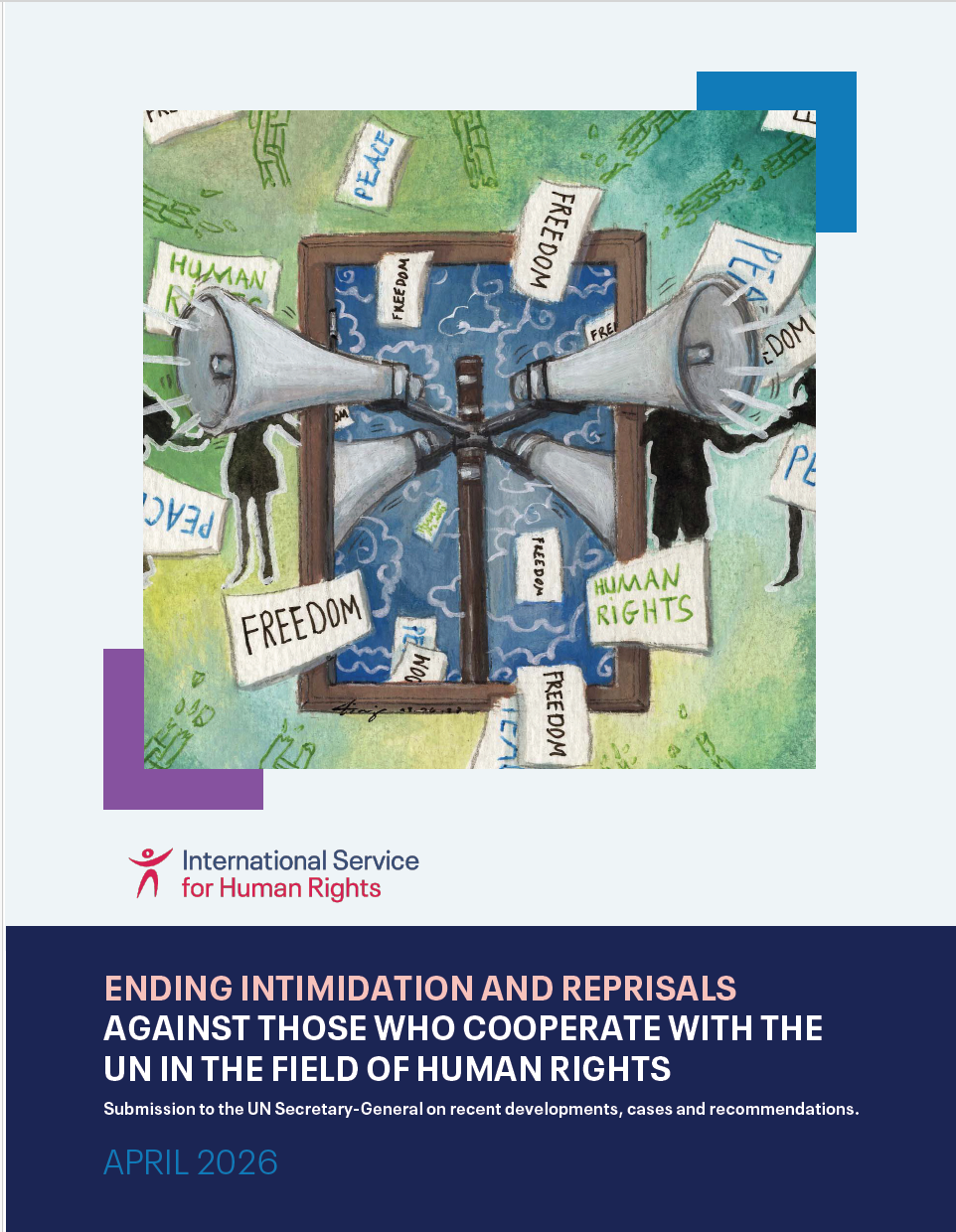
In response to the annual call for inputs from the UN Secretary-General, ISHR has submitted 66 cases of intimidation and reprisals against human rights defenders engaging with the UN from 24 countries.
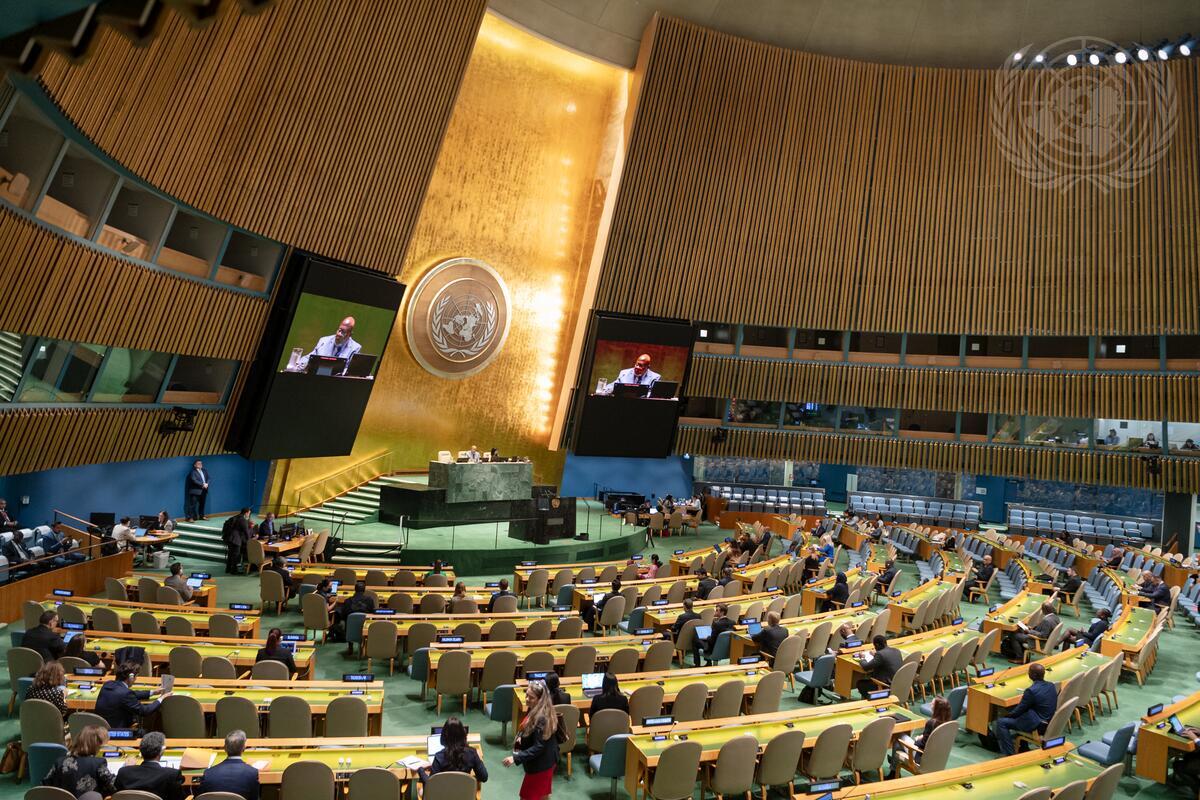
This is a compilation of publicly available information on how the liquidity crisis and budget cuts related to the UN80 Initiative are affecting the work of UN human rights mechanisms since 2024, including their ability to fulfil their mandates and deliver tangible improvements for individuals and communities.
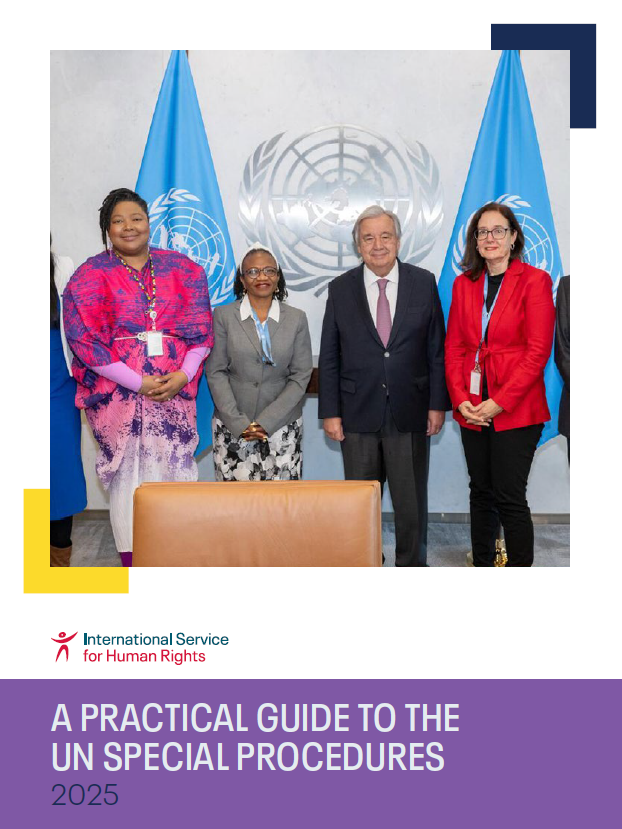
ISHR is pleased to launch its updated guide to the UN Special Procedures, an essential tool for human rights defenders seeking to engage more strategically with these experts, for greater impact on the ground.
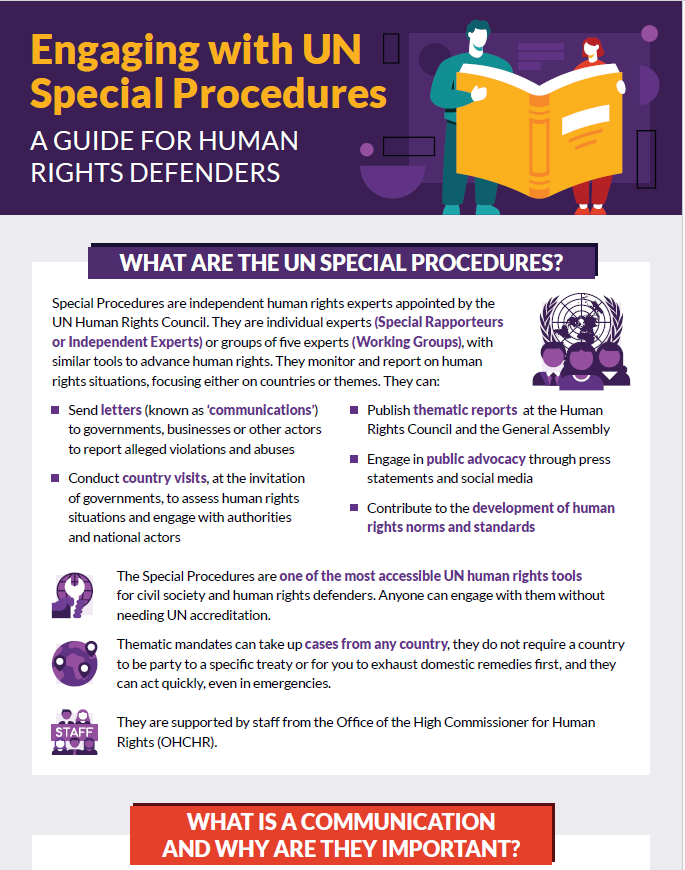
ISHR is pleased to launch a Special Procedures Explainer in five languages, an essential tool for human rights defenders seeking to engage more strategically with Special Procedures, for greater impact on the ground.